

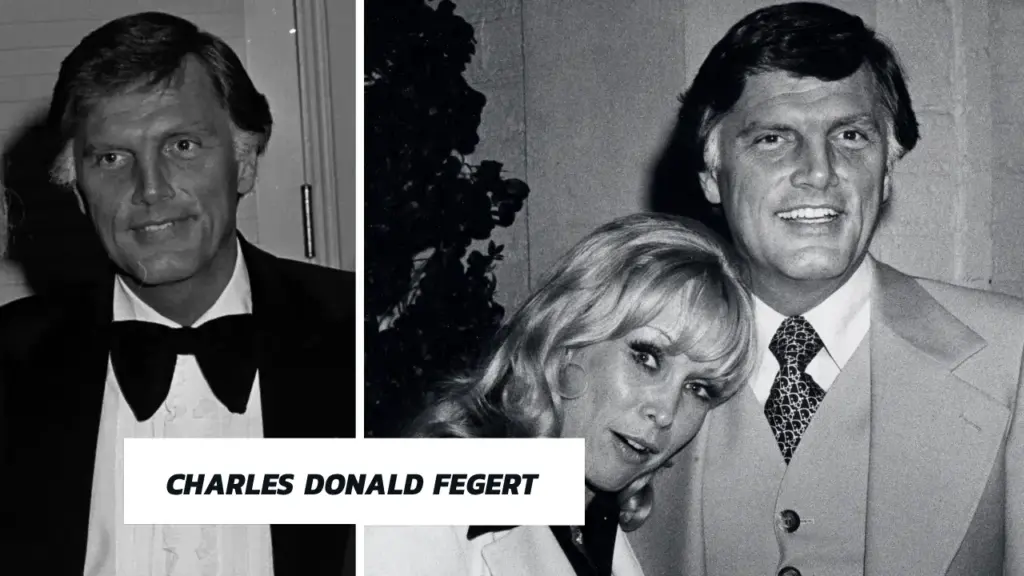
Charles Donald Fegert was an American advertising executive who rose from working-class Chicago to become Vice President of Advertising and Marketing at the Chicago Sun-Times. His career spanned three decades and reshaped how newspapers approached marketing during a time when television threatened print media’s survival.
Born in 1930, Fegert’s life combined professional brilliance with personal struggles. He was a father of three, a mentor to many, and a man whose marketing strategies still influence the industry today. This is his complete story.
Early Life: From Steel Mills to Success
Fegert grew up on Chicago’s South Side, where his father worked as a steelworker. The neighborhood wasn’t glamorous. It was tough, industrial, and built on hard work.
His family lived modestly. But they taught him discipline, ambition, and the value of effort. These lessons shaped everything that came after.
He attended South Shore High School before enrolling at Loyola University, where he graduated in 1955. That education gave him more than knowledge—it gave him confidence and the communication skills he’d need in advertising.
Building an Advertising Empire
Fegert started at the Chicago Sun-Times in the 1950s as an advertising salesman. Not the most glamorous position. But he understood something crucial: advertising wasn’t about selling space. It was about solving problems.
His approach was client-centered—he didn’t just sell ad space, he offered creative solutions that made advertisements more effective. That mindset set him apart.
He climbed fast. Salesman to manager. Manager to Vice President. By 1969, he became Vice President of Advertising and Marketing for both the Chicago Sun-Times and the Chicago Daily News.
In that role, he transformed newspaper marketing. He built long-term relationships with major advertisers. He created integrated campaigns that connected with readers. And he helped the Sun-Times stay competitive when television was pulling audiences away from print.
His colleagues called his management style “leadership by charisma.” He didn’t rule through fear. He inspired people to perform better.
The Barbara Eden Chapter
In 1974, Charles Donald Fegert met Barbara Eden while she was performing in Chicago. She was already famous—the star of “I Dream of Jeannie,” a household name across America.
Fegert had never seen the show. But he was captivated by Eden herself.
Their courtship was intense. He wooed her by sending flowers every morning and evening, always with an embossed card marked with the initial C. Grand gestures. Constant attention. The full romantic treatment.
They married on September 3, 1977. The wedding drew massive media attention—a Hollywood actress marrying a Chicago business executive.
For Fegert, it meant entering a world completely different from corporate boardrooms. Red carpets. Award shows. Constant public scrutiny. He handled it with grace, but the pressure was real.
The marriage brought challenges. According to Eden’s memoir, after they married, Fegert began running with people who drank and used cocaine. The behavior escalated. Trust broke down.
Eden later described him as brilliant and talented but also insecure, someone who constantly needed attention. The relationship deteriorated. After five years together, they divorced in 1982.
It was a painful chapter for both. Eden moved on. Fegert stepped back from the spotlight.
Family Life Beyond Hollywood
Before Eden, Fegert had already lived a full life. He had three children—two sons and one daughter—from previous marriages.
Despite his demanding career, he was known as a devoted father. His daughter Lisa remembered him as fun-loving, always doing impressions and singing, especially with his seven grandchildren.
He kept his family private. During his marriage to Eden, he shielded his children from media attention. They appreciated that protection.
His children saw a different side of him than the public did. To them, he wasn’t the high-powered executive or the celebrity spouse. He was Dad—funny, warm, and fully present when he was home.
Life After the Headlines
After divorcing Eden, Fegert returned to what he knew: Chicago and advertising. He shifted into consulting, sharing decades of experience with younger professionals.
The spotlight faded. He preferred it that way.
He maintained close relationships with his children and enjoyed being a grandfather. His later years focused on family, not fame.
Those who knew him during this period remember a man who remained sharp and charismatic but had found peace away from public attention.
Death and Legacy
Charles Donald Fegert passed away peacefully in his sleep in 2002 at age 72 in Chicago. Natural causes. No struggle.
His family gathered to remember him. Not as Barbara Eden’s ex-husband. Not as a media executive. As a father and grandfather who brought joy to their lives.
His professional legacy endures. The marketing strategies he developed at the Sun-Times influenced how newspapers approached advertising for decades. He helped print media adapt during a critical transition period.
His estimated net worth at death was in the millions—proof of his business acumen both in advertising and real estate investments.
What Made Him Different
Fegert succeeded because he understood people. He knew what clients needed before they did. He built relationships that lasted years.
His charm was genuine. His confidence was earned. And his ability to connect with anyone—from advertisers to readers to celebrities—made him unforgettable.
But he was also human. He struggled with insecurity. He made mistakes. His personal life was complicated.
That complexity makes his story worth telling. He wasn’t a saint or a villain. He was a talented man who achieved great things professionally while battling personal demons.
FAQs
Who was Charles Donald Fegert?
An American advertising executive who served as Vice President of Advertising and Marketing at the Chicago Sun-Times and Chicago Daily News. He’s also known for his marriage to actress Barbara Eden from 1977 to 1982.
How did Charles Donald Fegert meet Barbara Eden?
They met in 1974 while Eden was performing in Chicago. Their romance developed over four years before they married in 1977.
Did Charles Donald Fegert have children?
Yes, he had three children—two sons and one daughter—from previous marriages. He was also a grandfather to seven grandchildren.
When did Charles Donald Fegert die?
He passed away peacefully in 2002 at age 72 in Chicago.
What was Charles Donald Fegert’s career?
He built a successful career in newspaper advertising, starting as a salesman in the 1950s and rising to Vice President by 1969. He later consulted in the industry after his divorce.
The Real Story
Search “Charles Donald Fegert,” and you’ll find articles focused on his Hollywood connection. But that misses the point.
Fegert was a Chicago success story. A working-class kid who built something meaningful through talent and determination. A father who balanced career ambition with family commitment. A business leader who helped print media survive a technological revolution.
His marriage to Barbara Eden was five years of his 72-year life. Important? Yes. Defining? Not really.
The real Charles Donald Fegert story is about perseverance, creativity, and the complications that come with being human. He succeeded brilliantly. He struggled deeply. And he left a mark on both the people who loved him and the industry he transformed.