

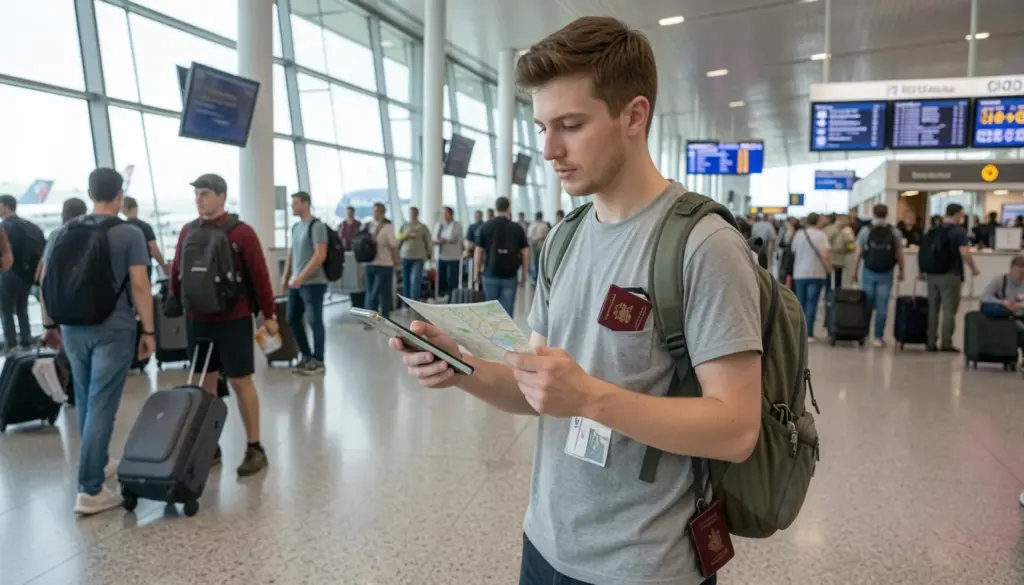
The short answer is yes, for most people in most places. But safety while traveling solo isn’t a matter of luck. It’s a set of skills, habits, and decisions you can learn before you ever leave home. The travelers who consistently have safe, smooth experiences aren’t necessarily the bravest or the most experienced — they’re the most prepared.
This guide walks you through a complete solo travel safety system covering everything from pre-trip planning and secure accommodation to digital protection and emergency response. Whether you’re a first-time solo traveler or someone planning an international trip alone, you’ll find practical, specific guidance here — not vague reminders to “stay alert.”
Is Solo Travel Safe? Understanding the Real Risks
Solo travel carries real risks — but so does driving to work or walking home at night in your own city. The difference is that unfamiliar environments reduce your ability to read situations accurately, which is where many problems start.
The most common risks solo travelers face aren’t violent crime. They’re petty theft, scams targeting tourists, transportation fraud, and getting stranded due to poor planning. These are manageable risks, not reasons to stay home.
Perception often distorts reality here. Many destinations that feel intimidating on paper — Southeast Asia, Eastern Europe, Central America — are considered highly safe by experienced solo travelers. Meanwhile, some “safe-sounding” tourist hotspots have well-documented pickpocket corridors and scam networks targeting newcomers.
The travelers most at risk are those who arrive unprepared: no offline maps, no emergency contacts, no copies of their documents, and no awareness of local scam patterns. Preparation closes most of that gap before your trip even starts.
The Solo Travel Safety Framework: Before, During, and After
Rather than a loose collection of tips, think about solo travel safety in three distinct phases. Each phase requires different thinking.
Before You Travel: The Preparation Phase
Most safety problems can be prevented before you leave home. Start by researching your destination seriously — not just the highlights, but the current travel advisories issued by your government (the U.S. State Department, UK Foreign Office, or equivalent in your country). These advisories flag zones with elevated risk, entry requirements, and known local hazards.
Next, get your documents in order:
- Make physical and digital copies of your passport, visa, travel insurance policy, and any prescriptions
- Store copies in a secure cloud location and leave a set with a trusted contact at home
- Note the address and emergency contact number for your country’s embassy or consulate at your destination
Travel insurance isn’t optional for solo travel — it’s part of the safety plan. A good policy covers medical evacuation, trip cancellation, lost luggage, and emergency repatriation. Read what’s excluded before you buy.
Share your full itinerary — accommodation addresses, travel dates, planned activities — with at least one trusted person at home. If something goes wrong, they need to be able to reach you or alert the right people.
During Your Trip: Active Safety Habits
Situational awareness is the core skill here. This doesn’t mean paranoia — it means staying present and reading your environment. Notice who’s paying attention to you. Know where the exits are. Be aware of what’s behind you in crowded spaces.
Blending in is genuinely protective. Wearing expensive jewelry, carrying visible camera equipment, or looking visibly lost makes you a more attractive target. Dress appropriately for the local context, keep your phone in your pocket when you’re navigating busy areas, and learn a few phrases in the local language — even just “help” and “where is the police station” creates a buffer.
Trust your instincts. If a situation feels wrong — a taxi driver taking an unexpected route, a new “friend” who’s too eager to take you somewhere — you have every right to exit. Experienced solo travelers treat an uneasy gut feeling as data, not anxiety.
Emergency Situations: Having a Response Plan
Most solo travelers go their entire trip without a serious emergency. But having a clear response plan for worst-case scenarios is what separates a manageable crisis from a devastating one.
Lost or stolen passport: Report it to local police immediately and get a copy of the report. Contact your nearest embassy or consulate — most have emergency lines for passport replacement. This is why having a stored digital copy matters so much.
Feeling followed or unsafe: Move toward crowds and well-lit public spaces. Enter a shop, café, or hotel lobby. Contact local emergency services if needed. Don’t walk to your accommodation directly if you believe you’re being followed.
Medical emergency: Know the local emergency number before you arrive (it’s not always 911). Carry a card with your blood type, any allergies, and your insurance details. Your travel insurance provider typically has a 24-hour emergency line.
How to Choose Safe Accommodation When Traveling Alone
Where you sleep matters more than most people account for. A few factors consistently separate safer options from riskier ones.
Location: Choose accommodation in well-populated, central areas with good transport links. Isolated guesthouses or budget options in poorly lit neighborhoods may save money but add meaningful risk, especially for first-time solo travelers.
Reviews: Look specifically for reviews from other solo travelers, particularly women. Filter by “solo” in platforms like Hostelworld or Booking.com. Red flags include reviews mentioning poor reception coverage, unclear check-in procedures, or staff who were dismissive of guest concerns.
Security features: Look for 24-hour reception, in-room door locks (not just key cards), secure lockers for valuables, and well-lit hallways. Hostels specifically vary enormously in security — ask whether lockers are provided and whether you need your own padlock.
Both hotels and hostels can be safe choices. The quality of the specific property matters far more than the category.
Transportation Safety Tips for Solo Travelers
Getting from one place to another is when many solo travelers feel most exposed. A few consistent habits reduce risk significantly.
At airports and bus terminals: Arrange transport from the airport in advance, where possible. Use official taxi queues or pre-booked ride-sharing services like Uber or Careem rather than accepting offers from strangers approaching you with signs. In many countries, unlicensed “taxis” at airports target arriving tourists.
Ride-sharing and taxis: Always verify the driver’s name and license plate against what the app shows before getting in. Share your live location with a trusted contact when using unfamiliar transport services. Sit in the back seat, and if the driver takes an unexpected route, ask about it directly and calmly.
Public transportation: Research the local transit system before you arrive. Many cities have excellent metro and bus networks that are safer than taking taxis. During rush hours, pickpocketing is the main concern — keep your bag in front of you and your phone out of your back pocket.
Traveling at night: Avoid walking alone in unfamiliar areas after dark. If you need to move at night, use a reputable ride-sharing service rather than walking. This applies especially in cities you haven’t yet learned to read.
Personal Safety Habits That Reduce Risk
Beyond logistics, a set of consistent personal behaviors creates a meaningful layer of protection.
Project confidence. Travelers who look uncertain, distracted, or overwhelmed attract more unwanted attention. Walk with purpose, even if you’re internally unsure where you’re going. If you need to check your map, step into a shop or sit down somewhere — don’t stand still on a busy street staring at your phone.
Understand common scams. Most tourist scams follow recognizable patterns: the “found ring” trick, fake police officers asking to check your wallet, overly friendly locals who steer you to overpriced shops, and unsolicited “help” at ATMs. Research the specific scams common at your destination before you arrive. Sites like Tripadvisor forums and Reddit travel communities are useful for this.
Limit what you carry. Carry only the cash you need for the day, use a money belt or hidden pouch for your passport and emergency cash, and leave valuables you don’t need in a locked hotel safe. Anti-theft backpacks with hidden zippers and cut-resistant straps are worth considering for high-density tourist areas.
Managing strangers: Most people who approach you are genuinely curious or trying to help. But it’s reasonable to be measured with personal information — your exact accommodation, your travel plans, whether you’re alone — until you’ve established some trust.
Digital Safety While Traveling
Your devices hold a significant amount of personal data. Losing that data — or having it accessed — can create problems that outlast your trip.
Public Wi-Fi networks in cafés, airports, and hotels are the main vulnerability. Avoid accessing banking or sensitive accounts on public networks. A VPN (Virtual Private Network) encrypts your internet connection and is worth using consistently when traveling, particularly in countries with active government surveillance or high cybercrime rates.
Use strong, unique passwords for your key accounts and enable two-factor authentication before you leave. If your phone is lost or stolen, the ability to remotely wipe it through Apple’s Find My or Google’s Find My Device prevents your personal data from being accessed.
Be cautious about charging via public USB ports — a practice called “juice jacking” can expose your device to malware. Carry your own charger and use standard wall outlets instead.
Keep a written note (stored separately from your devices) of your key account logins and emergency contacts, in case your phone is lost.
Solo Female Travel Tips: Extra Safety Considerations
Solo female travelers face a specific layer of risk that varies significantly by destination and context. Acknowledging this directly — without being alarmist — is the only useful approach.
Cultural awareness matters. In many countries, dress and behavior norms are stricter than what you might be used to. Adapting to local expectations — covering your hair in religious sites, wearing modest clothing in conservative communities — isn’t just respectful, it reduces unwanted attention. Research local customs before you arrive.
Accommodation choices: Solo female travelers often report feeling safer in female-only dorm rooms at hostels or in guesthouses with strong female-traveler communities. Reading reviews from other women traveling alone is the most reliable guide.
Trust your discomfort. If a situation makes you uncomfortable — a man following you through a market, an insistent invitation you don’t want to accept — you don’t owe anyone an explanation. Leave the situation. A confident, direct “no” works in most cultures; hesitation invites persistence.
Connect with other travelers. Many solo female travelers proactively build temporary communities at hostels, on group day tours, or through apps like Tourlina (a female-only travel network). Having even one contact in the same city adds a meaningful layer of safety.
Essential Solo Travel Safety Checklist
Before Departure
- [ ] Research the destination’s current travel advisory
- [ ] Make copies of passport, visa, and insurance documents
- [ ] Share full itinerary with a trusted contact at home
- [ ] Buy comprehensive travel insurance
- [ ] Note embassy/consulate contact at destination
- [ ] Research common local scams
- [ ] Install offline maps (Google Maps offline or Maps.me)
- [ ] Set up a VPN on your phone and laptop
- [ ] Enable remote wipe on your devices
- [ ] Pack a basic first aid kit
During Your Trip
- [ ] Check in with your contact at home regularly
- [ ] Verify taxis and ride-shares before entering
- [ ] Keep bags in front of you in crowded spaces
- [ ] Avoid displaying expensive electronics or jewelry
- [ ] Use hotel safes for passports and spare cash
- [ ] Stay aware of your surroundings in unfamiliar areas
- [ ] Avoid walking alone at night in unknown areas
Emergency Preparedness
- [ ] Know the local emergency number
- [ ] Keep your insurance provider’s emergency line saved
- [ ] Have embassy contact information accessible offline
- [ ] Keep a backup of key account passwords in writing
- [ ] Know the nearest hospital to your accommodation
Common Solo Travel Mistakes That Increase Risk
Over-relying on your phone. A dead battery in an unfamiliar city, with no offline maps and no written backup, is a situation that compounds quickly. Always carry a portable charger and have a paper backup of essential information.
Sharing too much on social media. Posting real-time location updates, photos of your hotel’s exterior, or check-ins that reveal you’re traveling alone narrows the gap between your public profile and your physical location. Post retrospectively rather than in real time.
Ignoring your gut to avoid seeming rude. Solo travelers sometimes override their instincts to avoid seeming unfriendly or paranoid. The social cost of excusing yourself from an uncomfortable situation is zero. Your safety comes first.
Poor planning around arrival times. Arriving in a new city late at night — with no pre-booked transport, limited battery, and unfamiliar surroundings — creates avoidable risk. Plan your arrivals for daylight hours where possible, and always arrange transport from the airport in advance.
FAQs
Is solo travel safe for complete beginners?
Yes, with preparation. Start with well-traveled destinations that have strong tourist infrastructure — Portugal, Japan, New Zealand, and Costa Rica are popular first solo trips for good reason. The skills you build on a safer first trip transfer to more complex destinations later.
What are the biggest risks of traveling alone?
Petty theft, scams targeting tourists, and poor transportation decisions are the most common risks. Violent crime affecting tourists is relatively rare but not impossible — researching your specific destination through official travel advisories gives you an accurate picture.
Should I always tell someone my plans?
Yes. Sharing your itinerary with a trusted person at home — and checking in regularly — is one of the simplest and most effective safety practices for solo travelers.
What do I do if I feel unsafe while traveling alone?
Move toward populated, public areas. Enter a shop, hotel lobby, or public building. Contact local emergency services if you feel in immediate danger. Don’t be concerned about appearing overly cautious — acting on discomfort early prevents situations from escalating.
What apps are most useful for solo travel safety?
Google Maps (offline maps), your ride-share app of choice, a VPN app, and your travel insurance provider’s app are the core tools. Some travelers also use bSafe or TripWhistle for emergency SOS features.
How do I protect my valuables while traveling solo?
Use a money belt or hidden travel pouch for your passport and emergency cash. Store what you don’t need daily in your hotel’s safe. In high-density tourist areas, anti-theft bags with cut-resistant straps and hidden zippers are a practical investment.
Is it safe to use public Wi-Fi while traveling?
Use it only for non-sensitive browsing. For banking, email, or any account that matters, connect through a VPN or wait until you’re on a trusted network. This applies at airports, cafés, and hotel lobbies alike.