

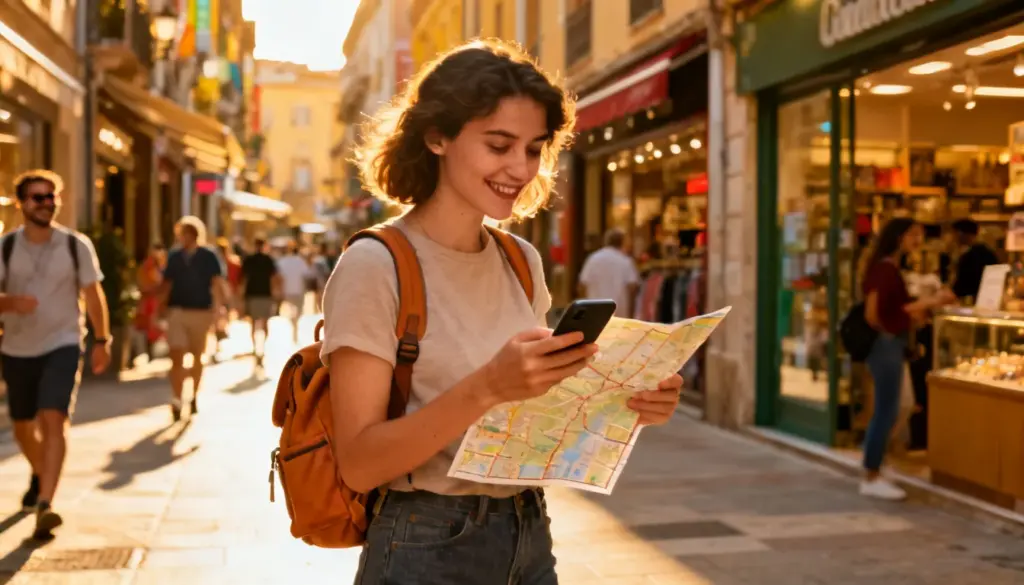
There’s a specific kind of excitement that comes with the idea of traveling alone — and right alongside it, a specific kind of fear. What if something goes wrong? What if I get lost, feel lonely, or end up somewhere unsafe? These questions are completely normal, and the good news is that they’re answerable.
Solo female travel is not a reckless adventure reserved for the fearless. It’s a planned, intentional experience that millions of women do every year — across every age group, budget level, and comfort zone. The difference between a stressful trip and a great one usually comes down to preparation, not luck.
This guide walks you through everything: choosing safe destinations, building a practical itinerary, securing accommodation, handling unexpected situations, and building the confidence to actually go. Whether you’re planning your first solo trip or looking to travel smarter, you’ll leave with a clear system — not just a list of tips.
Why Solo Female Travel Is Worth It (and What Holds Women Back)
Most women who hesitate before their first solo trip aren’t being irrational — they’re responding to genuine concerns about safety, judgment, and the unknown. It’s worth naming these barriers directly before moving past them.
Common fears include: being targeted as a lone woman, not knowing the local language, getting sick without support, or simply not knowing what to do when something goes wrong. These are valid concerns, and this guide addresses each one.
What often surprises first-time solo female travelers is how quickly those fears shrink once they arrive. Traveling alone builds a kind of confidence that group travel simply doesn’t. You make every decision. You navigate every problem. You meet people you never would have if you were focused on a companion. The growth is real — and so is the satisfaction.
The goal isn’t to pretend risks don’t exist. It’s to understand them clearly enough to manage them well.
How to Choose Safe Destinations for Solo Female Travelers
Destination safety isn’t binary. A country isn’t simply “safe” or “unsafe” — safety depends on specific regions, types of travel, local infrastructure, and how well you prepare.
What to look at when evaluating safety:
- Crime rates and traveler reports: Check the U.S. Department of State travel advisories, the UK Foreign Travel Advice pages, or equivalent resources for your country. These give tiered safety ratings based on current conditions.
- Solo female traveler forums: Reddit communities like r/solotravel and r/TravelNoPics are full of recent, honest accounts from women who’ve traveled specific destinations. This is often more useful than official rankings.
- Cultural norms: Some countries are statistically low-crime but have strong cultural expectations around how women dress, behave, or travel alone. Research local customs before you go — not to change who you are, but to understand the environment you’re entering.
- Infrastructure: Good public transportation, well-lit streets, accessible healthcare, and reliable internet all reduce risk significantly.
Countries frequently cited as among the safest for solo female travelers include Iceland, Japan, New Zealand, Portugal, Ireland, Taiwan, and the Netherlands. These destinations combine low crime rates with strong infrastructure and cultures that are generally respectful toward solo travelers.
That said, many destinations not on standard “safe lists” are visited successfully by solo women every year. The key is researching the specific area and trip type — not just the country name.
Step-by-Step Female Solo Trip Planning Framework
Planning a solo trip feels overwhelming until you break it into stages. Here’s a repeatable process that works whether you’re planning a weekend in a nearby city or a month-long international trip.
Define Your Travel Goals
Start with the basics: What kind of experience do you want? Are you looking for relaxation, cultural exploration, adventure, or personal reflection? Your answer shapes every other decision — destination, budget, accommodation type, and pace.
Be honest about your current comfort level, too. If you’ve never traveled alone before, a shorter trip to a destination where you speak the language (or where English is widely spoken) is a genuinely smart starting point — not a failure of ambition.
Set a Realistic Budget
Solo travel typically costs more per person than group travel because you’re not splitting accommodation costs. Build a budget that includes: flights, accommodation, food, local transport, activities, travel insurance, and a contingency fund (at least 15–20% extra for unexpected costs).
Use tools like Google Flights for fare tracking, Hostelworld for budget accommodation pricing, and Numbeo for cost-of-living comparisons between destinations.
Build a Flexible Itinerary
A solid itinerary isn’t a rigid minute-by-minute schedule — it’s a framework. Know where you’re sleeping each night, how you’re getting between cities, and which activities you want to prioritize. Leave room for spontaneity, rest days, and adjustments.
Share your itinerary with at least one trusted person at home. This isn’t overcaution — it’s a basic safety habit that costs nothing.
Prepare Documents and Logistics
Before departure, confirm: passport validity (many countries require six months beyond your travel dates), visa requirements, travel insurance coverage, emergency contact information, and copies of all critical documents stored separately from the originals. Use a cloud service to back up digital copies.
Accommodation Strategies for Safety and Comfort
Where you sleep matters more than most travelers initially realize — not just for comfort, but for safety and peace of mind.
Hotels offer privacy, security, and staff availability, which makes them a strong choice when arriving in a new city for the first time, especially at night. Mid-range hotels in central locations tend to offer the best balance of safety and cost.
Hostels can be excellent for solo female travelers — particularly those with female-only dorm options and strong community atmospheres. Read recent reviews on Hostelworld carefully. Look for comments specifically from solo female guests and pay attention to mentions of staff responsiveness and security measures like locker availability.
Airbnb works well for longer stays or when you want a kitchen and more independence. Stick to Superhost listings with strong reviews, and always check that the property is in a safe, accessible neighborhood. Avoid listings with no reviews or recent negative ones about host behavior.
Regardless of accommodation type:
- Choose locations that are well-connected to public transport and in areas with foot traffic
- Avoid ground-floor rooms when possible
- Check that the locks work before settling in
- Know where the emergency exits are
Essential Safety Tips for Women Traveling Alone
Practical safety doesn’t require paranoia — it requires a set of consistent habits that become second nature quickly.
Daily situational awareness: Stay aware of your surroundings, especially in crowded tourist areas where pickpocketing is common. Keep your phone out of sight when not in use. Avoid walking with headphones in both ears in unfamiliar areas at night.
Transportation safety: Use reliable transportation options — licensed taxis, rideshare apps like Uber or Bolt, or established public transit systems. Avoid unmarked cabs, especially at night. When using rideshare apps, verify the driver’s name, photo, and license plate before getting in, and share your trip details with a contact.
Communication strategy: Get a local SIM card or an eSIM before or immediately upon arrival. Staying connected isn’t just convenient — it’s a safety tool. Apps like Google Maps work offline (download the maps in advance), and GPS tracking apps allow trusted contacts to see your location in real time if you choose to share it.
Blend in thoughtfully: Research local customs before you arrive. Dressing in a way that respects local norms — particularly in conservative regions — isn’t about hiding yourself; it’s about reducing unwanted attention and showing cultural awareness. Observe how local women dress in different areas and adjust accordingly.
Trust your instincts: If a situation feels wrong, it probably warrants a change of plan. Leave a restaurant, switch seats on a bus, change hotels, skip an activity — your gut is a legitimate data point. Prioritizing safety over convenience is always the right call.
Packing Smart for Solo Female Travel
The goal with solo travel packing is to carry everything you genuinely need while staying mobile and avoiding the stress of managing a large bag.
Safety essentials:
- Personal safety alarm (small, loud, effective)
- Door wedge alarm for additional room security
- RFID-blocking wallet or passport holder
- A small first aid kit
- Copies of all documents in a separate bag from originals
Clothing strategy: Pack versatile items that work across different settings — casual, slightly dressy, and weather-appropriate. Include a lightweight scarf or cover-up that adapts to cultural dress requirements in religious or conservative areas. Neutral colors attract less attention in many destinations.
Tech tools:
- Offline maps downloaded via Google Maps
- A portable power bank
- Universal travel adapter
- A VPN for secure use of public Wi-Fi
- An eSIM or unlocked phone for local connectivity
Keep your bag manageable. A carry-on-sized bag means you’re never separated from your belongings in transit, and you move through airports and cities much faster.
How to Handle Risks, Emergencies, and Uncertainty
No matter how well you plan, unexpected situations happen. How you respond matters more than whether they occur.
If you feel unsafe in a specific situation: Trust that feeling immediately. Move toward a public, well-lit area with other people. Enter a shop, café, or hotel lobby. You don’t need a reason to leave — just go.
If you’re in a genuine emergency: Know the local emergency numbers before you arrive (they vary by country). Keep the address and phone number of your country’s nearest embassy or consulate saved in your phone. Most embassies offer emergency assistance to citizens abroad, including in situations involving theft, assault, or hospitalization.
Managing theft and document loss: If your passport is stolen, contact your embassy immediately. Keep digital copies of your passport, insurance policy, and key documents in cloud storage for quick access. A backup credit card kept separately from your main wallet is one of the most practical safety nets you can have.
Travel insurance: This is non-negotiable. A comprehensive policy covers medical emergencies, trip cancellations, theft, and in some cases, emergency evacuation. Read the policy details before purchasing — specifically check medical coverage limits and what documentation is required to make a claim.
What to do if you arrive somewhere unexpectedly difficult: Plan for late-night arrivals in unfamiliar cities. Arrange airport pickup in advance, confirm your accommodation address before leaving the airport, and have a data connection active so you can navigate independently.
Building Confidence as a First-Time Solo Female Traveler
For many women, the biggest barrier to solo travel isn’t logistical — it’s psychological. Addressing that honestly is part of any useful guide.
Start smaller than you think you need to. A solo weekend trip in your own country, or even a solo day trip, builds the mental muscle you’ll use on longer international trips. Each small win recalibrates your sense of what’s manageable.
Prepare, then let go. Overpreparing is a way of managing fear — but at some point, you have to board the plane with imperfect information. Research reduces risk; it doesn’t eliminate it. Build travel confidence gradually by accepting that uncertainty is part of the experience, not a sign that something has gone wrong.
Connect with other solo female travelers. Communities on Reddit, Facebook groups for solo female travel, and platforms like Meetup make it easy to find women who’ve done what you’re planning. Reading their experiences — the difficult parts and the rewarding ones — normalizes the reality of solo travel far better than any highlight reel.
Keep a realistic perspective on risk. Solo female travel does carry risks. So does staying home. The goal is informed decision-making, not fearlessness — and most women who’ve traveled alone report that their perception of risk before the trip was significantly higher than the reality of it.
Budgeting and Managing Money Safely While Traveling
Financial safety is an underrated part of solo travel planning, particularly because you don’t have a travel companion to fall back on if something goes wrong.
Use multiple payment methods: Carry a debit card with low foreign transaction fees (Wise and Charles Schwab are widely recommended), a backup credit card with travel benefits, and a modest amount of local cash for situations where cards aren’t accepted.
Keep your money distributed: Don’t carry everything in one place. A small amount in your wallet, a card in a separate pocket, and backup funds in a hidden travel pouch reduce the impact of theft significantly.
Avoid ATM scams: Use bank ATMs inside banks or hotels rather than standalone machines on the street. Cover your PIN, decline currency conversion offers at ATMs (always choose to be charged in local currency), and check your accounts regularly for unauthorized transactions.
Budget for the unexpected: Build a contingency of at least 15–20% into your travel budget. This covers unexpected accommodation changes, medical costs, missed connections, and anything else that doesn’t go to plan.
Track your spending: Apps like Trail Wallet or a simple spreadsheet help you stay on budget without stress. Knowing where your money is going gives you control — and control is its own form of confidence.
FAQs
Is it safe for a woman to travel alone?
Yes — with the right preparation. Solo female travel carries risks, as all travel does, but millions of women travel alone safely every year across all types of destinations. Research, awareness, and practical planning significantly reduce those risks.
What are the safest countries for solo female travelers?
Iceland, Japan, New Zealand, Portugal, Ireland, and Taiwan are consistently rated among the safest. That said, safety varies by region and trip type within any country, so always research your specific destination.
How do I plan my first solo trip as a woman?
Start with a destination where the language barrier is manageable, stay in well-reviewed accommodation in a central location, share your itinerary with someone at home, and give yourself more time than you think you need to settle in.
Are hostels safe for solo female travelers?
Many are — especially those offering female-only dorms with good reviews from solo women. Read recent reviews specifically for safety-related comments before booking.
How do I avoid scams while traveling alone?
Research common local scams before you arrive (a quick search for “[destination] tourist scams” is usually sufficient). Be skeptical of unsolicited help, verify prices before agreeing to services, and use official transportation and ticketing channels wherever possible.
What should I do if I feel unsafe while traveling solo?
Move immediately to a public, populated area. Enter a café, shop, or hotel lobby. Contact someone you trust and let them know your location. In genuine emergencies, contact local emergency services or your country’s nearest embassy.
Do I need travel insurance for solo trips?
Yes. Travel insurance is especially important when you’re alone because there’s no travel companion to assist if you’re sick, injured, or dealing with a financial emergency. Medical coverage is the most critical component — check the limits carefully before purchasing.