

If you deal with bloating after meals, unexplained fatigue, or digestion that seems off no matter what you eat, your gut health may be the root cause. These symptoms are more common than most people realize — and more connected to your overall health than you might expect.
The good news is that your gut microbiome is one of the most responsive systems in your body. With the right approach, you can start seeing real changes within weeks. This guide walks you through what gut health actually means, what’s causing your symptoms, and a clear three-phase protocol to reset, rebuild, and maintain a healthier gut — no complicated supplements or extreme diets required.
What Is Gut Health and Why Does It Matter
Your gut is home to trillions of microorganisms — bacteria, fungi, and other microbes — collectively known as the gut microbiome. This community of organisms plays a direct role in digestion, immune function, energy regulation, and even mental health.
Healthy gut bacteria break down food, produce essential nutrients, and protect the intestinal lining from damage. They also manufacture roughly 90% of your body’s serotonin, which is why gut-brain communication has such a strong influence on mood, focus, and stress response.
A balanced microbiome supports nutrient absorption, reduces gut inflammation, and keeps harmful bacteria in check. When that balance tips — through poor diet, stress, or medication — the entire system starts to break down. Digestive function weakens, immune response suffers, and the effects ripple outward into nearly every aspect of your health.
Signs Your Gut Health Needs Improvement
Gut imbalance doesn’t always show up as obvious digestive trouble. Symptoms range from the expected to the surprising.
Digestive signs include:
- Frequent bloating or gas
- Constipation or loose stools
- Acid reflux or heartburn
- Stomach cramping after meals
- Food intolerances that seem to be worsening
Non-digestive signs include:
- Persistent fatigue despite adequate sleep
- Brain fog or difficulty concentrating
- Frequent illness or slow recovery from infections
- Skin conditions like acne, eczema, or redness
- Low mood, anxiety, or irritability without a clear cause
These non-digestive symptoms often go unconnected to gut health, but a disrupted microbiome — particularly one with harmful bacteria overgrowth or a compromised intestinal lining — affects systems far beyond the digestive tract.
What Causes Poor Gut Health
Understanding the root causes is what separates lasting improvement from temporary relief.
Diet is the most immediate factor. Processed foods, added sugars, and artificial sweeteners feed harmful bacteria while starving the beneficial strains that rely on fiber. A low-fiber diet reduces microbiota diversity, which makes the microbiome less resilient overall.
Antibiotics are necessary when fighting infection, but they don’t discriminate — they kill both harmful and beneficial bacteria. Without a deliberate effort to restore gut flora afterward, the microbiome can remain disrupted for weeks or months.
Chronic stress directly affects gut function. The gut-brain connection works both ways, meaning prolonged stress suppresses digestive enzymes, slows gut motility, and increases intestinal permeability — a condition commonly called leaky gut, where the intestinal lining becomes more permeable than it should be.
Sleep deprivation follows a similar pattern. Poor sleep alters the composition of gut bacteria within days, and the changes compound over time if the pattern continues.
Other contributing factors include excessive alcohol consumption, smoking, sedentary behavior, and overuse of non-antibiotic medications like NSAIDs, which can disrupt the mucosal lining of the gut.
The Gut Health Protocol (Step-by-Step)
Rather than making random changes and hoping something works, a structured approach gives your microbiome what it needs at each stage of recovery.
Phase 1 — Reset Your Gut
The first step is removing what’s actively working against you. This doesn’t require a dramatic detox — it means identifying and reducing the main inflammation triggers in your diet and daily routine.
Cut back on ultra-processed foods, added sugars, and refined carbohydrates for at least two to four weeks. These are the primary fuel sources for harmful bacteria, and reducing them creates the conditions for beneficial bacteria to recover.
Alcohol should also be minimized during this phase. Even moderate alcohol consumption alters microbiome composition and increases gut inflammation. Artificial sweeteners — particularly sucralose and saccharin — have been shown to disrupt gut bacteria balance, so replacing them with whole foods or natural alternatives is worth the adjustment.
If you’ve recently completed a course of antibiotics, Phase 1 is where you start, regardless. Your gut flora has been significantly disrupted, and the reset phase creates the foundation for rebuilding.
Phase 2 — Rebuild Your Microbiome
Once you’ve reduced the main triggers, the focus shifts to actively restoring microbiome diversity. This is done through food first, supplementation second.
Fiber is the most important tool in this phase. Dietary fiber feeds beneficial bacteria and supports the production of short-chain fatty acids (SCFAs), which reduce inflammation in the gut and reinforce the intestinal lining. Aim to add a variety of fiber sources — vegetables, legumes, whole grains, and fruits — rather than relying on a single type.
Fermented foods introduce live beneficial bacteria directly into your digestive system. Plain yogurt with live cultures, kefir, kimchi, sauerkraut, and miso are practical options. These foods also support microbiota diversity, which is one of the strongest markers of a healthy gut.
Prebiotic foods such as garlic, onions, leeks, bananas, and oats feed existing beneficial bacteria and help them multiply. Adding prebiotics alongside fermented foods accelerates the rebuilding process.
Hydration is often overlooked but directly affects digestive function. Water supports the mucosal lining of the intestines and helps fiber do its job.
Phase 3 — Strengthen and Maintain
The third phase is about building habits that sustain microbiome balance long-term. This is where short-term effort becomes permanent health.
Consistency matters more than perfection here. Eating a wide variety of plant foods, managing stress actively, sleeping at least seven hours per night, and staying physically active all contribute to a resilient microbiome. Regular moderate exercise has been shown to increase microbial diversity independently of diet.
This phase also means staying vigilant about the things that set you back — stress spikes, sleep disruptions, or periods of poor eating. The goal isn’t to avoid all disruption; it’s to recover from it faster and with less lasting impact.
Best Foods to Improve Gut Health
Certain foods stand out for their ability to directly support digestive health and restore beneficial bacteria.
High-fiber foods include lentils, chickpeas, black beans, oats, barley, apples, pears, broccoli, and carrots. Variety here matters — different fiber types feed different bacterial strains, which builds a more diverse and stable microbiome.
Fermented foods like kefir, plain live-culture yogurt, kimchi, kombucha, tempeh, and sauerkraut provide both live bacteria and the nutrients that support their growth. If fermented foods are new to you, introduce them gradually to avoid temporary bloating as your gut adjusts.
Polyphenol-rich foods such as blueberries, dark chocolate (high cocoa content), green tea, and olive oil act as prebiotics by feeding specific beneficial bacteria strains. They also have anti-inflammatory properties that help reduce gut inflammation directly.
Bone broth and collagen-rich foods support the repair of the intestinal lining, which is particularly useful if you’re recovering from leaky gut or prolonged inflammation.
Foods and Habits That Damage Gut Health
Knowing what to avoid is just as important as knowing what to add.
Processed foods are the biggest concern. They’re typically low in fiber, high in additives, and often contain emulsifiers that have been shown to disrupt the mucosal layer of the gut and reduce microbiome diversity.
Sugar feeds harmful bacteria and promotes overgrowth of strains linked to inflammation. This doesn’t mean eliminating fruit — the fiber in whole fruit offsets much of the sugar impact. The main targets are added sugars in packaged foods and beverages.
Artificial sweeteners, particularly aspartame and sucralose, alter gut bacteria composition in ways that can reduce the population of beneficial strains even at small doses.
Chronic stress without management continuously elevates cortisol, which suppresses digestive function and damages the intestinal lining over time. This makes stress management a dietary consideration, not just a mental health one.
Irregular sleep disrupts the circadian rhythms that gut bacteria depend on. Even two or three nights of poor sleep can measurably reduce beneficial bacteria populations.
Do You Need Supplements for Gut Health?
Supplements can be useful, but they work best as a support layer on top of solid dietary habits — not as a replacement for them.
Probiotic supplements provide concentrated doses of specific beneficial bacteria strains. They’re particularly helpful after antibiotic use, during travel, or when dietary sources of fermented foods are limited. Not all probiotics are equal — multi-strain products with clinically studied strains (such as Lactobacillus and Bifidobacterium species) tend to perform better than single-strain options.
Prebiotic supplements (often inulin or fructooligosaccharides) are helpful if your diet is still low in fiber during the transition period. They’re best introduced gradually to avoid excess gas.
Digestive enzymes can support nutrient absorption in people with compromised digestive function — particularly those with low stomach acid, pancreatic insufficiency, or specific food intolerances. They don’t rebuild the microbiome directly but ease the digestive load while the gut heals.
L-glutamine, an amino acid, is sometimes used to support intestinal lining repair in leaky gut cases. Evidence is still developing, but it’s commonly included in gut-healing protocols.
If your symptoms are severe, persistent, or include unexplained weight loss, blood in stool, or significant changes in bowel habits, consult a healthcare professional before starting any protocol. These symptoms may indicate conditions that require medical evaluation.
Daily Routine for Better Gut Health
A consistent daily structure makes gut-supportive habits easier to sustain.
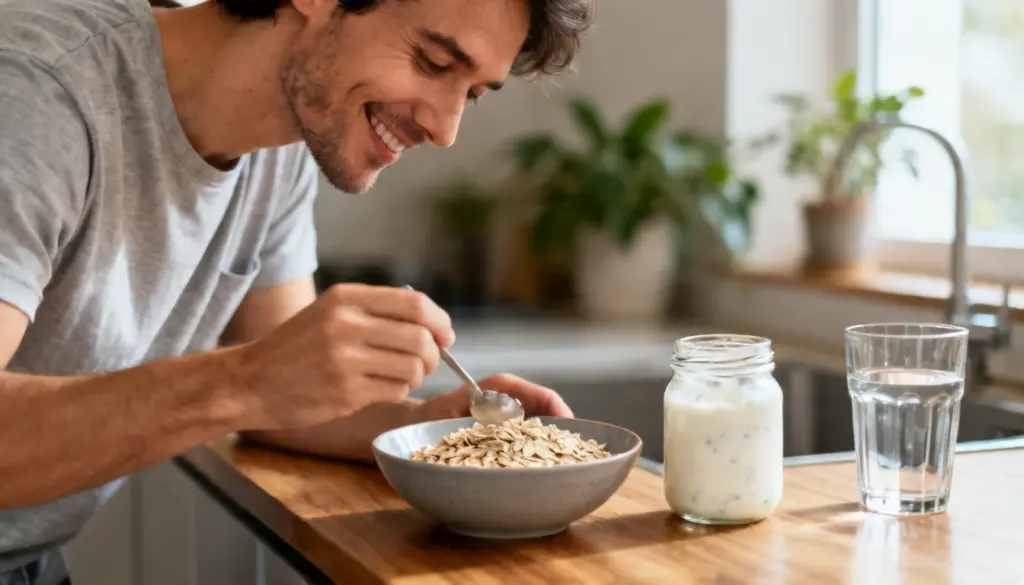
Morning: Start with a glass of water before anything else. Breakfast built around fiber — oats with fruit, or eggs with vegetables — sets a productive tone for digestion. If you use a probiotic supplement, morning on an empty stomach or with a small meal tends to be the most effective window.
Throughout the day: Aim for meals that include a combination of fiber, protein, and healthy fats. Eating at regular intervals supports consistent gut motility. Avoid eating large meals late at night, as the gut’s activity naturally slows in the evening.
Evening: Include a fermented food at dinner a few times per week. Wind down from screens and stimulating content at least an hour before bed — this directly affects both sleep quality and gut function. Aim for a consistent sleep and wake time.
Weekly: Rotate your vegetable, grain, and legume choices as much as possible. Eating 30 or more different plant foods per week has been associated with significantly higher microbiome diversity in research settings — and it’s more achievable than it sounds when you count herbs, spices, and small additions.
How Long Does It Take to Improve Gut Health?
Realistic expectations make the process less frustrating and easier to stick with.
Days 3–7: Many people notice reduced bloating and more regular digestion once inflammatory foods are removed and fiber intake increases.
Weeks 2–4: Beneficial bacteria populations begin to strengthen. Energy levels and digestion usually show visible improvement. Skin and mood benefits often become noticeable around this point.
Months 1–3: Significant microbiome rebuilding occurs with consistent dietary changes. Post-antibiotic recovery typically lands in this window with a structured approach.
Months 3–6: Sustainable, lasting microbiome changes are established. At this stage, the gut becomes more resilient — meaning it recovers faster from disruptions like illness, travel, or a period of poor eating.
The timeline varies based on how disrupted the microbiome was to begin with, age, stress levels, and sleep quality. Progress is rarely linear, but the trend should be consistently in the right direction.
FAQs
What is the fastest way to improve gut health?
Removing processed foods and added sugars while increasing fiber and fermented foods produces the fastest measurable change. Most people notice a difference in digestion within the first week.
How do I know if my gut health is bad?
Common signs include frequent bloating, irregular bowel movements, food sensitivities, persistent fatigue, and recurring illness. Non-digestive symptoms like skin issues and mood changes are also often connected to gut imbalance.
How long does it take to restore gut health after antibiotics?
With a targeted approach — including probiotic supplementation and a high-fiber diet — most people restore gut flora meaningfully within four to eight weeks. Without any intervention, disruption can persist for several months.
Can I improve gut health without supplements?
Yes. Diet and lifestyle changes are the foundation of gut health improvement. Supplements can accelerate recovery in specific situations, but food-based strategies alone produce significant results for most people.
Does sugar damage gut bacteria?
Added sugars feed harmful bacteria and suppress beneficial strains over time. Whole fruits, which contain fiber alongside natural sugars, have a much smaller negative impact and are fine to include in a gut-healthy diet.
How does stress affect gut health?
Chronic stress disrupts the gut-brain connection, reduces digestive enzyme production, slows gut motility, and increases intestinal permeability. Managing stress through sleep, exercise, and recovery practices is an essential part of any gut health protocol.
What drinks support better digestion?
Water is the most important. Kefir, kombucha (in moderate amounts), and green tea are all beneficial. Reducing alcohol and avoiding sugary drinks makes a meaningful difference relatively quickly.