

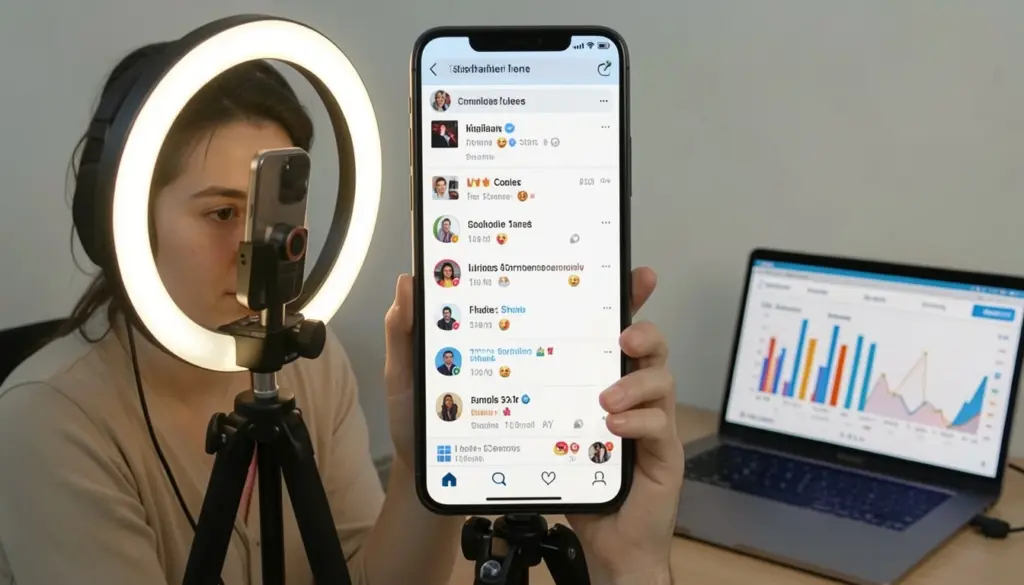
Something significant happened to the way people consume content online. Feeds that once featured long blog posts and extended videos have given way to quick, punchy clips that deliver their message in under a minute. This shift is not accidental — it reflects a deep change in how audiences discover, watch, and share content across every major social platform.
Short form content now sits at the center of digital marketing, creator strategy, and platform development. Whether you are a brand looking to build awareness, a creator growing an audience from scratch, or a marketer trying to understand where attention has gone, understanding short form video trends is no longer optional. This article walks through what short form content is, why it took off so rapidly, which platforms are leading the space, and how you can use these formats effectively.
What Is Short Form Content?
Short form content refers to any digital media designed for fast, easy consumption — typically videos under 60 to 90 seconds, though some platforms extend this to three minutes. The defining characteristic is not just length but intent: this content is built to be watched quickly, shared easily, and discovered through algorithm-driven feeds rather than active search.
Common examples include TikTok videos, YouTube Shorts, Instagram Reels, and Snapchat Spotlight clips. Beyond video, the category also includes micro posts, short-form audio clips, and image carousels designed for quick scrolling. In marketing, micro content refers to bite-sized pieces that deliver a single idea, emotion, or call to action — stripped of everything unnecessary.
The format thrives because it matches how most people actually browse social media: on mobile devices, in short sessions, with limited patience for slow-loading or slow-building content.
Why Short Form Content Is Growing So Fast
The growth of short form video is rooted in behavior, not just technology. Human attention has always been selective, but mobile devices and infinite scroll feeds have made that selectivity more extreme. When someone can swipe to the next piece of content in under a second, creators and brands have a very short window to prove their content is worth watching.
This is often called the attention economy — the idea that attention itself is a scarce and valuable resource. Platforms compete aggressively for it, and short-form content is purpose-built to win that competition. A well-crafted 30-second video can hook a viewer, deliver a complete message, and leave them satisfied — all before their attention drifts elsewhere.
Algorithm-driven discovery has accelerated this further. Unlike traditional media, where content was pushed to existing subscribers, platforms like TikTok introduced interest-based recommendation engines that serve content to users who have never heard of the creator. This means a first-time creator with zero followers can reach millions if the content resonates. That possibility has attracted enormous numbers of new creators, which in turn produces more content, which keeps users on the platform longer.
Mobile usage patterns reinforce all of this. Vertical video format, optimized for the way people naturally hold their phones, removes friction from the viewing experience. Mobile-first content that loads instantly and fills the screen creates a more immersive, distraction-free viewing session.
Major Short Form Content Platforms Explained
Several platforms now compete for short-form video attention, each with distinct strengths and audience behaviors.
TikTok
TikTok redefined what content discoverability could look like. Its For You Page (FYP) uses a powerful recommendation algorithm that analyzes watch time, replays, shares, and interaction signals to serve highly personalized content feeds. Unlike platforms built around social graphs (where you see content from people you follow), TikTok prioritizes content performance — meaning unknown creators can go viral almost immediately.
The platform’s core audience skews younger, but has expanded significantly across age groups. TikTok content tends to favor fast-paced storytelling, trending audio, challenges, and educational micro content. The culture of the platform rewards authenticity over production polish, making it accessible for creators at every level.
YouTube Shorts
YouTube Shorts benefits from one enormous advantage: the existing YouTube ecosystem. A creator building a short form presence on Shorts can direct that audience to longer videos, playlists, and channel content — creating a full content funnel within a single platform. For brands and educators already invested in long-form YouTube content, Shorts offers a way to reach new audiences without abandoning existing assets.
Shorts appear both in a dedicated feed and alongside regular search results, which gives them visibility that pure short form platforms cannot match through SEO alone. The integration with YouTube’s search-heavy behavior means Shorts can capture both passive browsing and active search intent.
Instagram Reels
Instagram Reels blends social discovery with a visually driven browsing experience. Because Instagram’s foundation is built around photos and personal connections, Reels sits within a broader content ecosystem that includes Stories, carousels, and static posts. This makes Reels particularly valuable for brands in fashion, food, lifestyle, travel, and beauty categories where visual identity matters alongside content.
Reels benefits from strong influencer marketing infrastructure and a more established base of brand partnerships compared to newer platforms. Creators who have built audiences through photos and Stories can extend that relationship into video without starting over. The platform also integrates with Facebook Reels, giving content a wider distribution reach across Meta’s network.
Key Short Form Content Trends Shaping the Industry
Several clear trends have emerged as short form content has matured from novelty into a permanent content category.
Vertical video has become the default. Horizontal video, once standard across all digital platforms, now feels out of place in mobile feeds. Platforms have redesigned their interfaces around vertical formats, and audiences have adjusted their expectations accordingly. Content designed natively for vertical viewing performs better on every metric.
Viral loops and content repeatability have become a defining feature of top-performing short videos. Content that people watch more than once — whether because it is funny, surprising, or information-dense — sends powerful signals to platform algorithms. Creators who understand this design their content with rewatchability in mind, not just initial appeal.
The creator economy has matured. Platforms now offer direct monetization tools — creator funds, tipping, subscriptions, and brand partnership marketplaces — that allow individuals to build real income from short form content. This has professionalized the space, attracting creators who treat content production as a business rather than a hobby.
AI-assisted content creation is reshaping production speed and quality. Tools that generate scripts, add captions automatically, improve audio quality, and suggest trending audio tracks have lowered the barrier to producing polished content consistently. For creators managing high posting frequency, these tools are becoming part of a standard workflow.
Educational and informational content — sometimes called “edutainment” — has proven to be one of the strongest performing content categories. Short form video tutorials, quick tips, myth-busting clips, and explainer formats attract high engagement because they deliver real value in a compact format. This trend benefits both individual creators building expertise-based audiences and brands demonstrating product knowledge.
Short Form vs Long Form Content: Key Differences
The question of short form versus long form is less about which is better and more about what each does well.
Short form content builds reach and discoverability. It is designed for algorithm-driven feeds where the goal is to attract new viewers quickly. The trade-off is depth — a 45-second video cannot explain a complex topic with the same thoroughness as a 15-minute tutorial or a detailed article.
Long form content builds trust and deeper engagement. A viewer who watches a 20-minute video or reads a 2,000-word article has invested significant time, which typically translates into stronger connection with the creator or brand. Long form also tends to perform better for SEO, particularly on YouTube and Google.
The strongest content strategies use both. Short form content acts as a discovery layer, pulling in new audiences. Long-form content then converts that audience into loyal followers, email subscribers, or customers. Many creators use Shorts and Reels specifically to drive traffic to longer YouTube videos or podcasts, treating short form as the top of a content funnel rather than a standalone strategy.
Benefits of Short Form Content for Creators and Marketers
For creators, short form content offers a lower barrier to entry. A video shot on a smartphone, edited with a free app, and posted in minutes can reach a larger audience than content requiring expensive equipment and editing time. The feedback loop is also faster — creators can test ideas, see what resonates, and adjust their approach in real time.
For marketers, the key advantage is reach and speed. A short video ad or organic brand post can generate significant impressions in a short period, particularly when it taps into trending formats or sounds. Brands that create platform-native content — content that feels like it belongs in the feed rather than interrupting it — consistently outperform those that simply repurpose TV-style ads.
Short form content also benefits from strong engagement rate potential. Comments, shares, duets, and remixes create social proof that amplifies distribution further. Unlike passive impressions, these interactions indicate genuine audience interest, which platforms reward with broader reach.
How to Create Effective Short Form Content
Creating content that performs well consistently comes down to a few core principles.
The first three seconds determine everything. Scroll behavior on mobile is fast and unforgiving. If a video does not immediately signal why it is worth watching — through a surprising visual, a strong statement, or an intriguing question — viewers will move on. Leading with the most compelling element of the content, rather than a slow build-up, is the most important habit effective creators develop.
A simple structure works well: Hook → Core Value → Closing Signal. Open with something that stops the scroll. Deliver the most useful or entertaining content in the middle. End with something that encourages engagement — a question, a prompt to follow, or a clear next step. This structure keeps content focused and gives the algorithm clear signals at every stage.
Consistency matters more than perfection. Accounts that post regularly, even with modest production quality, tend to grow faster than accounts that post infrequently but with high polish. Algorithms favor active creators, and audiences respond to predictable posting patterns.
Platform-native content outperforms repurposed content. A video designed for TikTok — with trending audio, native text overlays, and a vertical framing — will perform better on TikTok than the same video exported from another platform with visible watermarks. Each platform has its own visual language and content norms, and respecting those norms signals to both algorithms and audiences that the content belongs there.
Trends are a tool, not a strategy. Participating in trending formats and sounds can give a short-term reach boost, but long-term growth comes from finding a consistent content angle that audiences associate with a specific creator or brand. Using trends to introduce people to a unique perspective is more valuable than chasing trends without a clear point of view.
The Future of Short Form Content
Short form content has moved beyond being a trend and into being a foundational content format. Platforms continue to invest heavily in creator monetization, improving their ability to keep creators producing content and audiences engaged.
The next significant development is the integration of short and long form within single platforms. YouTube’s model — where Shorts and long videos coexist and complement each other — is likely to influence how other platforms structure their content ecosystems. Rather than competing formats, short and long form content will increasingly function as complementary layers of a single content strategy.
Shoppable short form content is also growing rapidly. Platforms are building direct purchasing into the video experience, allowing viewers to buy products without leaving the app. For brands, this closes the gap between content consumption and purchasing decisions in a way that traditional advertising never could.
User-generated content (UGC) will continue to be a major force. Brands that give their audiences tools, prompts, and reasons to create content about products — rather than only producing brand content themselves — benefit from organic reach that no advertising budget can replicate.
As AI tools become more capable and accessible, the gap between professional and amateur content production will continue to narrow. The competitive advantage will shift further toward creative ideas and authentic perspectives, rather than production quality alone.
FAQs
What is short form content in marketing?
In marketing, short form content refers to brief videos, clips, or posts — typically under 90 seconds — designed to quickly communicate a brand message, demonstrate a product, or build audience awareness through high-engagement formats on platforms like TikTok, Instagram Reels, and YouTube Shorts.
How long should short form videos be?
Most short-form videos perform best between 15 and 60 seconds. Some platforms allow up to three minutes, but engagement data consistently shows that shorter videos hold attention better. The ideal length depends on the platform and content type — educational content can push toward the longer end, while entertainment or awareness content often performs best under 30 seconds.
Is short form content better than long form?
Neither format is universally better — they serve different purposes. Short form content excels at reaching new audiences quickly. Long-form content builds deeper engagement and trust. Combining both within a content strategy typically produces stronger results than relying on either alone.
How do creators grow on YouTube Shorts and Reels?
Growth on these platforms comes from consistency, content quality, and understanding platform behavior. Posting regularly, using platform-native features (trending audio, native captions, relevant hashtags), and creating content with a clear hook in the first few seconds all contribute to better reach. Engagement signals — comments, shares, saves — also tell algorithms the content is worth distributing further.
What type of content performs best on short form platforms?
Educational tips, behind-the-scenes content, humor, relatable scenarios, and transformation or before-and-after formats consistently perform well. Content that delivers a clear emotional payoff — whether that is learning something useful, laughing, or feeling inspired — tends to generate the shares and replays that signal high quality to platform algorithms.
Can short form videos help with SEO?
YouTube Shorts have direct SEO benefits because they appear in YouTube and Google search results. TikTok and Instagram Reels have more limited direct SEO impact but contribute to brand visibility and can drive traffic to websites or YouTube channels that do rank in search. A short-form presence that consistently builds audience awareness indirectly supports broader SEO efforts over time.