

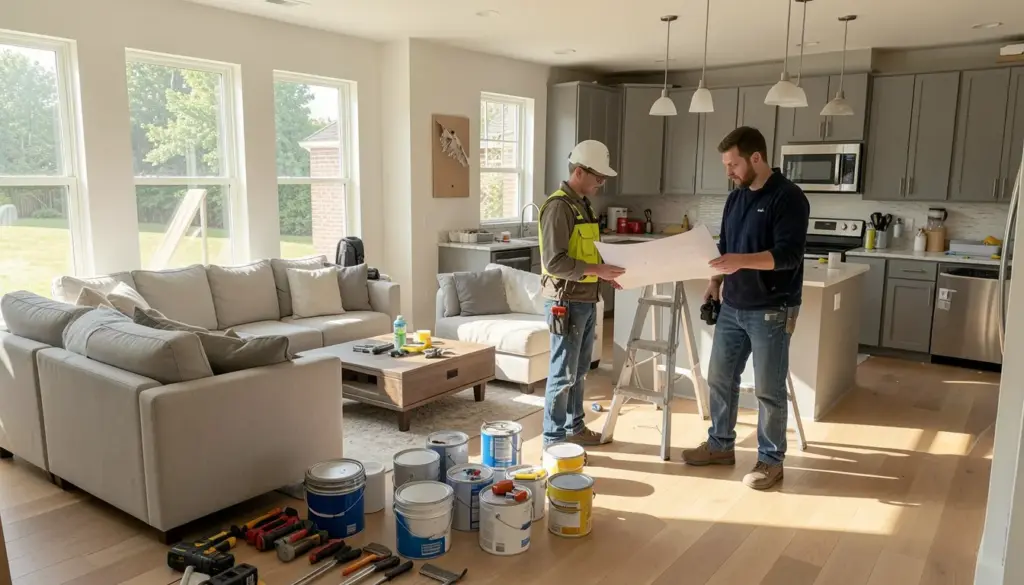
Renovating your home should be exciting — a chance to improve your living space, increase property value, and bring a long-held vision to life. But for many homeowners, what starts as an enthusiastic project ends in stress, blown budgets, and lingering regrets. The difference between a successful renovation and a costly disaster often comes down to preparation and awareness.
This guide walks you through the most common home renovation mistakes homeowners make, explains why they happen, and gives you practical steps to avoid them — whether you’re tackling a full kitchen remodel or updating a single bathroom.
Poor Planning and Budgeting Mistakes
The majority of renovation problems trace back to one root cause: inadequate planning. Homeowners frequently underestimate what a project will cost, how long it will take, and how disruptive it will be to daily life. When the plan is vague, everything else becomes unpredictable.
Unrealistic budgets are one of the most common budgeting errors in home renovation. Many people build a budget around a best-case scenario, with no room for unexpected expenses. In reality, most renovation projects encounter at least one surprise — hidden water damage behind walls, outdated wiring that needs replacing, or structural issues that weren’t visible during initial assessment. A reliable rule of thumb is to add a 15–20% contingency buffer to your total estimated cost.
Scope creep is another major budget threat. It happens when small additions pile up throughout the project — “while we’re at it, let’s also replace the countertops” — and before long, the project has expanded far beyond the original plan. Each addition seems reasonable, but together they push costs well beyond the original estimate.
To avoid these pitfalls, use a detailed renovation checklist before breaking ground. Identify every task involved, get multiple written quotes from contractors, and set a firm spending ceiling. Cost estimation tools and home renovation apps can help you build a more accurate picture of what your project will actually require.
Choosing the Wrong Contractor or Team
Hiring the right contractor is arguably the most consequential decision in any renovation project. A skilled, reliable professional can keep your project on time, within budget, and up to code. The wrong one can cause delays, cut corners, and leave you with work that needs to be redone entirely.
One of the most common mistakes homeowners make is choosing the lowest bid without asking why it’s lower. A suspiciously cheap quote often signals that a contractor plans to use inferior materials, rush the work, or lacks the proper licensing and insurance. Always request a detailed written breakdown of how costs are calculated.
Warning signs of unreliable contractors include vague contracts, requests for large upfront payments (typically more than 10–15% of the total), no verifiable references, and resistance to putting agreements in writing. Reputable professionals welcome questions and provide clear documentation.
Before signing anything, verify that your contractor holds a valid license and adequate insurance coverage. Ask for references from recent projects similar in scope to yours, and follow up with those clients directly. If possible, visit a completed project to assess the quality of the work firsthand.
Skipping Permits and Inspections
Permit issues are one of the most overlooked areas in home renovation, particularly among homeowners who assume that smaller projects don’t require approval. The reality is that many structural, electrical, and plumbing changes require building permits — and completing work without them carries real consequences.
Unpermitted work can create problems when you try to sell your home. Buyers and their agents increasingly check permit records, and unpermitted additions or renovations can delay or derail a sale entirely. In some cases, you may be required to undo the work or bring it up to code at your own expense before a transaction can proceed.
Beyond property sales, skipping inspections is also a safety issue. Inspections exist to verify that structural, electrical, and plumbing work meets minimum safety standards. Renovation insurance may not cover damages caused by work that wasn’t properly inspected or permitted.
The best approach is to contact your local building authority before starting any significant work. Find out what permits are required, how long approval takes, and what the inspection process involves. Factor these steps into your project timeline from the start.
Overlooking Structural and Safety Issues
Cosmetic upgrades are exciting, but structural safety needs to come first. One of the costliest renovation mistakes homeowners make is spending heavily on visible improvements while ignoring underlying issues that quietly worsen over time.
Before any renovation begins, conduct — or commission — a thorough structural inspection. This should cover the foundation, roof condition, load-bearing walls, electrical systems, and plumbing. Discovering a drainage problem after laying new flooring or finding outdated wiring after completing a kitchen remodel can force you to undo finished work.
Electrical and plumbing systems deserve particular attention. Older homes may have wiring that no longer meets current safety standards or pipes that are approaching the end of their lifespan. Addressing these during a renovation, rather than working around them, is far less expensive than fixing them later.
A safety-first checklist helps ensure nothing critical gets missed. Items to verify include: adequate ventilation in bathrooms and kitchens, proper load calculations before removing or modifying walls, moisture barriers in wet areas, and GFCI outlets near water sources. These aren’t just code requirements — they protect the people living in the home.
Design and Aesthetic Misjudgments
Design flaws are another category of renovation regrets that homeowners frequently encounter. It’s easy to get swept up in the visual appeal of a design choice without thinking through how it will function day to day.
One of the most common errors is prioritizing style over practicality. Open shelving in kitchens looks great in photos, but requires constant tidying to look presentable in real life. Choosing light-coloured grout in high-traffic areas means constant scrubbing. A stunning but impractical layout can make an otherwise beautiful space frustrating to use.
Scale and proportion are frequently underestimated as well. Oversized furniture in a small room, or fixtures that are too small for a large space, can make a room feel awkward, regardless of how individually attractive the pieces are. Always measure carefully and, when in doubt, use a floor plan tool or consult an interior designer before committing.
Another common design mistake is following short-lived trends rather than choosing timeless styles. Features like overly trendy tile patterns or unconventional colour schemes may look dated within a few years. A balanced approach — classic foundations with a few intentional accent choices — tends to hold up better over time.
Material Selection Errors
The materials you choose have a direct impact on the durability, maintenance requirements, and long-term cost of your renovation. Selecting materials based solely on price or appearance, without considering performance, is one of the most regrettable renovation mistakes.
Low-quality materials often come with a hidden long-term cost. Cheap flooring that wears quickly, grout that cracks after a single winter, or cabinetry that swells in humidity will need to be repaired or replaced far sooner than higher-quality alternatives. The initial savings rarely outweigh the cumulative expense of repairs and replacements.
Material selection problems also arise when homeowners choose products that don’t suit their specific environment. A hardwood floor that works beautifully in a dry climate may warp in a high-humidity area. Exterior paint that performs well in mild weather may fail quickly in regions with extreme temperature swings. Always check manufacturer specifications and consult with suppliers about suitability for your conditions.
When comparing materials, look beyond the unit price. Consider installation requirements, maintenance demands, expected lifespan, and whether the material requires any special treatments or warranties. Home improvement stores typically have knowledgeable staff who can walk you through these trade-offs.
Timeline and Scheduling Errors
Project timeline delays are a universal complaint among homeowners who’ve been through a renovation. Rooms are left unfinished for months, contractors disappear mid-project, and material delivery delays cascade into broader scheduling problems.
The most common causes of timeline overruns are underestimating task durations, failing to account for contractor availability, and not ordering materials far enough in advance. Some materials — custom cabinets, specialty tiles, specific fixtures — have lead times of several weeks or longer. If these aren’t ordered early, the entire project stalls waiting for them.
Overlapping trades without coordination are another frequent source of delay. Electricians and plumbers often need to complete their rough-in work before walls can be closed, and painters typically need the flooring to be finished before they can complete baseboards. If these sequences aren’t planned carefully, trades can get in each other’s way or create rework.
To stay on schedule, build a detailed project timeline that sequences every task logically and accounts for realistic durations. Communicate this timeline clearly with every contractor involved. Check in regularly on progress, and flag any delay the moment it’s identified — small slippages compound quickly in complex projects.
Common DIY Pitfalls
DIY renovation is appealing for obvious reasons — it saves on labour costs and gives homeowners direct control over their project. But DIY pitfalls are numerous, and the line between manageable and risky is often blurrier than it appears.
The most significant risk in DIY renovation is overestimating one’s skill level. Painting walls or installing simple fixtures is within reach for most homeowners. Electrical wiring, structural modifications, plumbing reroutes, and load-bearing wall removal are not — and attempting them without proper training can lead to safety hazards, code violations, and damage that costs more to fix than a professional would have charged to do it correctly the first time.
Another frequent DIY mistake is underestimating the time and effort required. A bathroom tile job that looks straightforward on a tutorial might take a skilled tradesperson two days. A first-timer attempting the same project may spend an entire weekend and still not achieve a professional finish.
The practical approach is to be honest about what you can and cannot do well, and to reserve professional help for anything involving structural, electrical, or plumbing work. For the tasks you do take on yourself, invest in quality tools, follow manufacturer instructions precisely, and don’t rush. Cutting corners on prep work — skipping primer, skipping surface cleaning, skipping proper measurements — is where most DIY renovation mistakes originate.
FAQs
What is the most common mistake people make during home renovation?
Poor planning is the leading cause of renovation problems. Homeowners frequently begin projects without a detailed budget, realistic timeline, or clear scope — which leads to cost overruns, delays, and decisions made under pressure.
How much should I budget for unexpected renovation costs?
Most experienced contractors recommend adding 15–20% of your total project budget as a contingency reserve. This provides a buffer for hidden issues, price changes, or scope adjustments that commonly arise during renovations.
Do I really need permits for minor renovations?
It depends on the scope of work and your local regulations. Cosmetic changes like painting or replacing fixtures often don’t require permits, but structural changes, electrical upgrades, plumbing modifications, and additions typically do. Always check with your local building authority before starting.
How can I tell if a contractor is trustworthy before hiring them?
Ask for proof of licensing and insurance, request references from recent similar projects, and review the contract carefully before signing. Reliable contractors provide detailed written quotes, communicate clearly, and don’t pressure you into quick decisions.
What renovation mistakes are hardest to fix after the fact?
Structural errors and unpermitted work are among the most difficult and expensive to correct. Poor material choices and layout decisions can also be costly to reverse once the project is complete. This is why getting these elements right up front matters so much.
Is DIY renovation worth it to save money?
For straightforward cosmetic tasks, DIY can be a genuine cost-saver. For anything involving electrical, plumbing, structural, or load-bearing elements, professional help is almost always the better financial decision when you factor in the cost of potential mistakes and rework.