

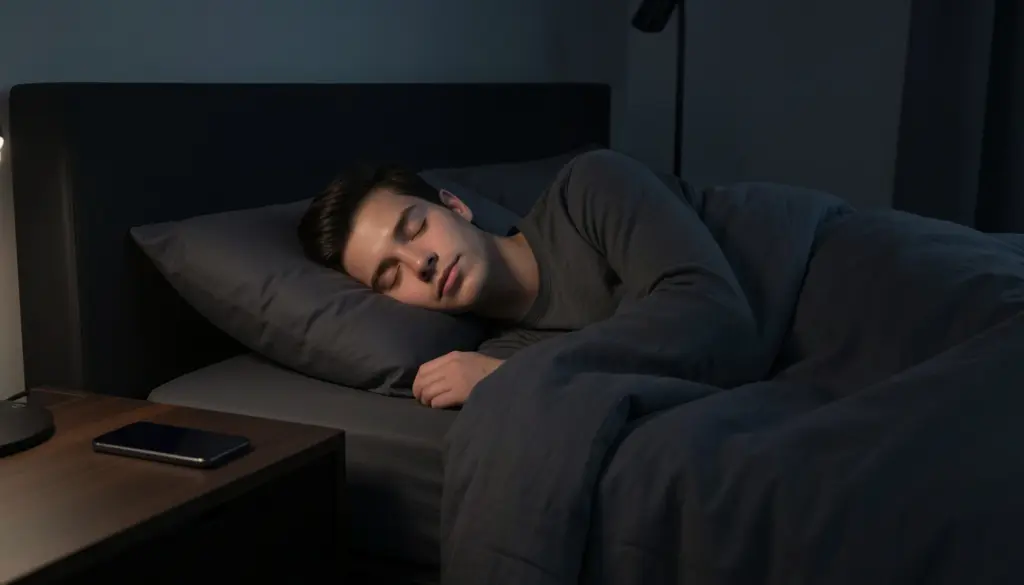
Most people treat sleep as the thing they sacrifice when life gets busy. Work deadlines, late-night scrolling, early alarms—sleep is often the first compromise. Yet the body treats sleep as a non-negotiable biological requirement, not a luxury. Every major system in your body—your immune defenses, hormone production, brain function, and metabolic health—depends on consistent, quality sleep to work properly.
This article explains the science behind why sleep matters so deeply, what actually happens inside your body while you rest, and how both short- and long-term sleep loss quietly damages your health. You’ll also find a practical 7-rule framework at the end to help you build better sleep habits without relying on medication.
What Happens in Your Body When You Sleep
Sleep is not passive rest. While you’re unconscious, your body is running one of its most active maintenance cycles.
During sleep, the body initiates cellular repair processes that cannot happen efficiently while you’re awake. Tissues heal, muscles recover from daily wear, and the brain clears out metabolic waste products—including proteins linked to neurodegenerative conditions—through a system called the glymphatic network. This nightly “cleaning cycle” is one reason consistent sleep is now closely studied in the context of long-term brain health.
Hormonal balance also shifts significantly during sleep. Growth hormone, which supports muscle repair and fat metabolism, is released primarily during deep sleep stages. Cortisol, the stress hormone, naturally drops overnight and rises gradually toward morning to prepare you for waking. When sleep is disrupted, this cortisol curve gets distorted—leading to elevated stress hormones during hours when the body should be recovering.
Melatonin production, which signals the body that it’s time to sleep, also plays a role in antioxidant defense and immune regulation. It’s not just a “sleep trigger”—it’s part of a broader hormonal system that coordinates the body’s repair priorities through the night.
Understanding Sleep Cycles and Stages
Sleep isn’t a single uniform state. Each night, your body moves through a repeating sequence of stages, with each cycle lasting roughly 90 minutes and serving distinct biological functions.
Non-REM Sleep: Where Physical Recovery Happens
Non-REM sleep is divided into three stages, progressing from light sleep to deep sleep. The deepest stage—sometimes called slow-wave sleep—is where the most significant physical restoration occurs. Cellular repair accelerates, immune function strengthens, and growth hormone reaches its peak release. This is also when the body consolidates procedural memories and clears physical fatigue most efficiently.
Losing deep non-REM sleep through fragmented sleep, alcohol consumption, or irregular sleep schedules has a measurable impact on how rested and physically recovered you feel the next day, even if total sleep time appears adequate.
REM Sleep: Where the Brain Rebuilds
REM (Rapid Eye Movement) sleep typically begins about 90 minutes after falling asleep and becomes longer in each successive cycle. During REM, the brain is highly active—processing emotional experiences, consolidating declarative memories, and strengthening neural connections formed during the day.
REM sleep is also where much of the emotional regulation work happens. People deprived of REM sleep tend to show heightened emotional reactivity, poorer decision-making, and reduced ability to manage stress. Because REM sleep is concentrated in the second half of the night, cutting sleep short—even by an hour or two—disproportionately reduces REM time.
Most adults cycle through four to six complete sleep cycles per night, meaning both non-REM and REM sleep are needed in balance for full physical and mental recovery.
The Sleep and Health Connection Explained
The relationship between sleep and physical health is not metaphorical—it’s measurable and direct.
Immune function is one of the clearest examples. During sleep, the body produces cytokines, proteins that coordinate immune responses and fight infection. Chronic sleep loss reduces cytokine production, weakens antibody responses to vaccines, and increases susceptibility to common illnesses. Studies examining cold virus exposure have consistently found that people who sleep fewer than six hours per night are significantly more likely to become infected than those sleeping seven or more hours.
Metabolic health is equally affected. Sleep regulates two key hunger hormones—ghrelin (which increases appetite) and leptin (which signals fullness). Short sleep raises ghrelin and suppresses leptin, creating a biochemical drive to eat more, particularly high-calorie foods. Over time, this disruption contributes to weight gain and insulin resistance, both of which are risk factors for type 2 diabetes.
Cardiovascular health follows a similar pattern. Blood pressure naturally dips during sleep—a process called nocturnal dipping. When sleep is consistently poor or short, this dip is reduced or absent, keeping blood pressure elevated for longer periods each day. Over the years, this has contributed to increased cardiovascular risk.
Hormonal balance across the board—including thyroid function, reproductive hormones, and insulin regulation—depends on the body’s sleep-wake cycle to maintain proper timing and output.
How Sleep Affects Brain Function and Mental Health
Cognitive performance is acutely sensitive to sleep quality and quantity. Even a single night of poor sleep measurably affects working memory, reaction time, attention span, and problem-solving ability. The effects can be comparable to mild alcohol intoxication—yet most people significantly underestimate how impaired they are when sleep-deprived.
Memory consolidation is one of sleep’s most well-documented functions. During both deep non-REM and REM stages, the brain transfers information from short-term to long-term storage. Students who sleep after learning new material retain significantly more than those who stay awake. This process applies equally to skills, facts, and emotional memories.
The connection between sleep and mental health runs in both directions. Poor sleep is both a symptom and a cause of anxiety, depression, and mood instability. Disrupted sleep reduces activity in the prefrontal cortex—the part of the brain responsible for rational thinking and emotional control—while increasing reactivity in the amygdala, which processes threat responses. This neurological shift explains why sleep-deprived people tend to feel more irritable, overwhelmed, and emotionally reactive.
Chronic sleep problems are consistently found among people with depression, anxiety disorders, and bipolar disorder—not as a side effect, but as a core feature of these conditions that, when addressed, often improves overall outcomes.
Short-Term vs Long-Term Effects of Sleep Deprivation
Sleep debt accumulates faster than most people realize, and its effects are not limited to feeling tired.
Short-term effects begin after even one night of reduced sleep: slower cognitive processing, reduced coordination, weakened attention, and a decline in working memory. The body’s inflammatory markers rise within days of restricted sleep. Mood becomes harder to regulate, and appetite increases.
What makes short-term deprivation particularly problematic is that people adapt to feeling impaired without realizing how much their performance has actually declined. This is a well-documented phenomenon—subjective feelings of sleepiness stabilize while objective performance continues to worsen.
Long-term effects of chronic sleep deprivation are far more serious. Sustained insufficient sleep is associated with increased risk of type 2 diabetes, cardiovascular disease, obesity, and certain cancers. It accelerates cellular aging, disrupts hormonal regulation over time, and appears to increase the accumulation of amyloid plaques in the brain—proteins associated with Alzheimer’s disease.
The concept of sleep debt—the cumulative deficit that builds when you consistently sleep less than your body needs—does allow for some recovery, but evidence suggests that full cognitive and physiological restoration from chronic deprivation takes longer than a single recovery night. The body can partially bounce back, but habitual short sleep creates lasting biological costs that one good weekend of sleep cannot fully reverse.
Sleep and Immunity: Why Rest Protects Your Body
The immune system and the sleep system are deeply intertwined—they share signaling molecules and regulatory mechanisms that influence each other continuously.
During sleep, the body produces and releases T-cells, which are critical for identifying and destroying infected or abnormal cells. Natural killer cell activity—a frontline defense against both infections and tumor cells—increases during adequate sleep and drops significantly with sleep loss. One study found that restricting sleep to four hours for a single night reduced natural killer cell activity by roughly 70 percent.
Inflammation is another key area. Chronic sleep deprivation triggers low-grade systemic inflammation, which is now understood to be a contributing factor in a wide range of conditions—from heart disease and diabetes to depression and autoimmune disorders. Sleep is one of the body’s primary mechanisms for keeping inflammatory responses calibrated and under control.
For people recovering from illness or surgery, adequate sleep is not just helpful—it’s physiologically necessary. Tissue repair, immune memory formation after vaccination, and recovery from physical injury all depend on the sleep-driven recovery mechanisms that only function optimally during sufficient rest.
Circadian Rhythm and Why Your Body Clock Matters
The circadian rhythm is the body’s internal 24-hour clock, governed primarily by light exposure. It regulates sleep timing, hormone release, body temperature, metabolism, and organ function in a coordinated daily cycle.
When the circadian rhythm is aligned—meaning you sleep at consistent times in sync with natural light-dark cycles—nearly every biological system in the body operates more efficiently. When it’s disrupted—by shift work, jet lag, irregular schedules, or chronic late-night light exposure—the consequences extend well beyond feeling tired.
Circadian misalignment suppresses melatonin production, raises nighttime cortisol, impairs glucose metabolism, and reduces the efficiency of immune function. Shift workers who consistently work against their biological clock show significantly higher rates of metabolic disorders, cardiovascular problems, and certain cancers compared to day workers—not just because they sleep less, but because their sleep is biochemically misaligned with their body’s internal timing system.
Blue light from screens is a significant lifestyle-level disruptor. It directly suppresses melatonin production in the evening, delaying the sleep-wake cycle shift and reducing sleep quality even when total sleep time is preserved. Managing light exposure in the hours before bed is one of the most evidence-backed strategies for supporting healthy circadian function.
How to Improve Sleep Quality Naturally (7-Rule Checklist)
Understanding why sleep matters is the first step. Acting on that understanding requires consistent behavioral habits. These seven rules form a practical framework for improving sleep quality without medication.
1. Keep a consistent sleep schedule. Go to bed and wake up at the same time every day—including weekends. This is the single most effective way to stabilize the circadian rhythm. Irregular sleep timing is one of the most common but underappreciated causes of poor sleep quality.
2. Limit light exposure in the evening. Reduce bright overhead lighting and screen use in the 60–90 minutes before bed. Dim, warm-toned lighting in the evening supports natural melatonin production and helps the body shift toward sleep mode.
3. Keep the bedroom cool. Core body temperature needs to drop slightly to initiate sleep. A room temperature between 16–19°C (60–67°F) supports this process. A warm shower before bed can also help by temporarily raising skin temperature and then causing it to drop.
4. Avoid caffeine after early afternoon. Caffeine has a half-life of approximately 5–7 hours, meaning a coffee at 3 pm still has a measurable stimulant effect at 9 pm. Most people underestimate how late caffeine continues to affect sleep architecture, even if they fall asleep without difficulty.
5. Reduce alcohol, especially close to bedtime. Alcohol is commonly perceived as a sleep aid because it accelerates sleep onset. In reality, it fragments sleep in the second half of the night and significantly suppresses REM sleep, reducing sleep quality even when total sleep time is adequate.
6. Create a wind-down routine. The nervous system needs time to transition from wakefulness to sleep. A consistent pre-sleep routine—reading, light stretching, breathing exercises, or quiet activity—signals the body that sleep is coming and reduces the time it takes to fall asleep.
7. Reserve the bed for sleep. Working, eating, or watching content in bed weakens the mental association between the bed and sleep. Over time, this association (called stimulus control in sleep behavioral research) becomes a significant factor in how quickly and consistently you fall asleep.
FAQs
How many hours of sleep do adults really need?
Most adults need between 7 and 9 hours per night for optimal health. Individual variation exists, but chronic sleep below 7 hours is associated with measurable health consequences across multiple systems. Feeling fine on less sleep is often a sign of adaptation to impairment, not an indication that less sleep is sufficient.
Can you recover from sleep debt?
Partially, yes. Short-term sleep debt—a few nights of poor sleep—can be substantially recovered with several nights of adequate rest. Chronic sleep deprivation that persists over weeks or months is harder to reverse fully, and some cognitive and physiological effects may require longer recovery periods than a single catch-up weekend provides.
Why do I feel tired even after sleeping 8 hours?
Sleep quality matters as much as sleep quantity. Fragmented sleep, sleep apnea, high stress levels, or poor sleep timing can all leave you feeling unrefreshed despite spending adequate time in bed. If tiredness persists despite consistent, apparently sufficient sleep, it may be worth evaluating for sleep disorders or other underlying causes.
What is the connection between poor sleep and chronic disease?
Chronic poor sleep is a risk factor for type 2 diabetes, cardiovascular disease, obesity, and certain cancers. These links are driven by sleep’s role in regulating hormones, inflammation, immune function, and metabolic processes—all of which are disrupted by sustained insufficient sleep.
How does the circadian rhythm affect sleep quality?
The circadian rhythm governs the timing of sleep and nearly every major biological process. When sleep timing is consistent and aligned with natural light cycles, sleep quality improves significantly. Irregular schedules, night-shift work, and evening light exposure disrupt this internal clock, reducing the biological efficiency of sleep even when total hours appear adequate.
Is melatonin a safe way to improve sleep?
Melatonin supplements can be useful for adjusting sleep timing—particularly for jet lag or shift work—but they are not a solution for chronic poor sleep quality. They work best in low doses (0.5–1 mg) taken 1–2 hours before the desired bedtime. For most sleep issues, behavioral changes to the sleep environment and schedule produce more lasting results.