

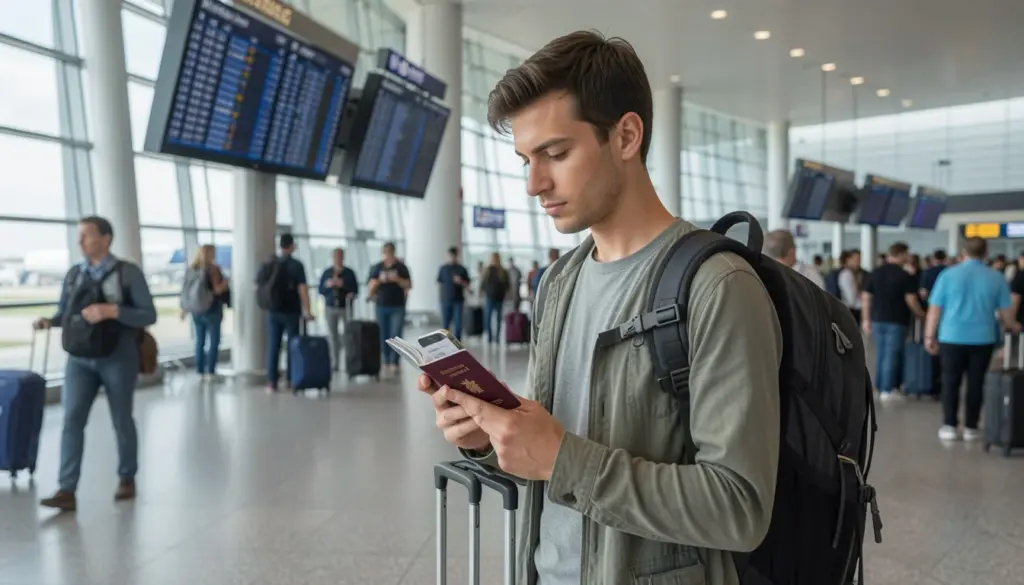
Traveling alone is one of the most rewarding experiences a person can have — but it also comes with real responsibilities. The difference between a smooth solo trip and a stressful one often comes down to how well you prepared, not how lucky you were.
Most people who hesitate before traveling solo aren’t afraid of travel itself — they’re afraid of the unknown. What happens if something goes wrong? What if you get lost, scammed, or hurt with no one around to help? These are fair questions, and they deserve honest, practical answers — not generic reassurances.
This guide walks you through a three-phase safety system — before, during, and after your trip — so you can travel alone with awareness, preparation, and genuine confidence. Whether you’re a first-time solo traveler or looking to sharpen your safety habits, this is designed to give you real tools, not just a list of vague advice.
Is Solo Travel Safe? Understanding the Real Risks
Solo travel is generally safe — but it’s not without risk, and pretending otherwise helps no one.
The biggest risks solo travelers actually face are petty theft, scams targeting tourists, transportation issues, and getting stranded in unfamiliar areas. Violent crime against tourists exists but is far less common than media coverage suggests, and most incidents are preventable with basic risk awareness.
Perceived danger and actual danger are two different things. Many people imagine solo travel as constantly navigating threatening environments, when in reality, most solo trips go smoothly because the traveler paid attention, made informed choices, and avoided obvious risk situations.
Risk level also changes based on destination, time of day, local customs, and individual behavior. Someone who books reputable accommodation, keeps their documents secure, and doesn’t flash expensive belongings in crowded areas faces a fundamentally different risk profile than someone who doesn’t.
The goal isn’t to eliminate all risk — that’s impossible. The goal is to minimize exposure to avoidable risk while staying flexible enough to respond well when things don’t go as planned.
Before Your Trip: The Essential Solo Travel Safety Checklist
The majority of travel problems are preventable — and most prevention happens before you leave home. This is where experienced solo travelers invest the most time.
Research Your Destination Thoroughly
Start with your government’s official travel advisory system. Most countries maintain updated advisories that flag health risks, civil unrest, regional safety concerns, and entry requirements. Check these within a week of your departure date, as conditions can change.
Beyond advisories, research local laws and customs that could affect your behavior. What’s acceptable in one country can carry serious legal consequences in another — dress codes, photography restrictions, alcohol rules, and social norms all vary widely. Understanding the local context before you arrive helps you blend in and avoid unintentional friction.
Look into which neighborhoods in your destination are considered safer for travelers, and which areas are better avoided at night. Travel forums, recent blog posts, and local Facebook groups often provide more current ground-level information than guidebooks.
Prepare Important Documents and Copies
Carry both physical and digital copies of your key documents: passport, visa, travel insurance policy, emergency contacts, accommodation bookings, and any prescription medication records. Store digital copies in a secure cloud folder that you can access from any device.
Leave a physical copy of your passport and itinerary with a trusted person at home. If your passport is lost or stolen, your local embassy or consulate will need to verify your identity — having a copy makes that process significantly faster. Know where your country’s nearest embassy is located before you need it.
Consider a money belt or hidden travel pouch for carrying your passport and backup cash when moving through high-traffic areas.
Set Up Emergency Contacts and Communication
Before you leave, establish a clear communication plan with someone at home. Share your full itinerary — flights, accommodation names, addresses, and booking confirmation numbers. Agree on a check-in schedule: even a brief message every 24–48 hours tells someone you’re okay.
Save your destination’s local emergency numbers (police, ambulance, fire) in your phone before you land. These vary by country and are not always the same as 911 or 999. Also, save the contact information for your embassy or consulate.
GPS location-sharing apps like Google Maps or WhatsApp’s live location feature give trusted contacts a real-time view of where you are. This is particularly useful during long transit periods or when visiting remote areas.
Get Travel Insurance and Backup Funds
Travel insurance is non-negotiable for solo travel. A good policy should cover medical emergencies (including evacuation), trip cancellation, lost or stolen belongings, and travel delays. Read the fine print before purchasing — some policies exclude certain activities like motorbike riding or adventure sports.
Carry backup funds in at least two forms: a main debit or credit card, a backup card stored separately, and a small amount of local cash for situations where cards aren’t accepted. Inform your bank of your travel dates to prevent security blocks on your card abroad.
Plan Safe Accommodation and Transport
Choose accommodation based on more than price. Read recent reviews specifically mentioning security, safety, and staff responsiveness. Well-reviewed hostels and hotels in central or well-connected areas are generally better choices for solo travelers than isolated or poorly reviewed options at the edge of town.
Arrange your arrival transport in advance, especially if you’re landing at night. Booking an airport transfer or a verified ride-sharing service like Uber or Careem before you land removes the vulnerability of negotiating with unknown drivers while tired and disoriented.
During Your Trip: Smart Safety Habits Every Solo Traveler Should Follow
Preparation sets the foundation, but your daily habits determine how safe you actually are on the ground.
Stay Aware of Your Surroundings
Situational awareness doesn’t mean being paranoid — it means staying present. Avoid walking while staring at your phone in unfamiliar areas, especially near busy transport hubs, markets, or crowded tourist spots where pickpockets operate. When you arrive somewhere new, take a few minutes to observe: exits, the general mood of the area, and who’s around you.
Trust your instincts. If a situation or person makes you uncomfortable, you don’t need to rationalize it — just move away. Your gut often registers risk before your conscious mind does.
Protect Your Belongings and Identity
Keep your most important items — passport, backup cash, extra cards — stored separately from your everyday wallet. In crowded spaces, carry your bag in front of you or use a slash-resistant cross-body bag. Don’t leave valuables visible in cafés, on tables, or in unsecured accommodation lockers.
Limit how much personal information you share with strangers. Your accommodation name, travel plans, and home address don’t need to be common knowledge. Being friendly doesn’t require being an open book.
Use Transportation Safely
Verify any taxi, tuk-tuk, or rideshare before getting in. In countries where unlicensed taxis target tourists, use apps like Uber or Careem, or ask your accommodation to call a verified local taxi service. Always check that the driver’s name and vehicle match the app details before entering.
On public transportation, keep your bag on your lap or between your feet — not overhead where you can’t see it. Be especially alert when boarding and exiting, as these are common moments for distraction-based theft.
When arriving in a new city after dark, go directly to your accommodation rather than exploring. Familiarize yourself with the area in daylight first.
Blend In and Avoid Drawing Attention
Expensive jewelry, camera equipment worn openly, and obviously tourist-branded accessories all make you a more visible target. Dressing in a way that respects local customs also helps you attract less unwanted attention and earn more respectful interactions with locals.
Study your route before leaving your accommodation so you don’t need to stop on the street to consult your phone. Appearing uncertain about where you’re going is a signal that experienced scammers and opportunists watch for.
Stay Connected Without Oversharing
Sharing your location with a trusted contact back home is smart. Announcing your exact location, accommodation name, or travel schedule publicly on social media is not. Real-time social media updates about where you are — especially when traveling alone — reduce your personal security unnecessarily.
Keep your phone charged. A portable power bank is one of the most practical safety tools you can carry. A dead phone in an unfamiliar city removes your navigation, communication, and emergency contact access simultaneously.
Digital Safety While Traveling Alone
Digital security is one of the most overlooked areas of solo travel safety, and it’s increasingly where real risk lives.
Avoid using public Wi-Fi for anything sensitive — banking, accessing government documents, or logging into accounts that hold personal data. Use a VPN if you regularly work or access accounts while traveling. Even a basic VPN significantly reduces your exposure on unsecured networks.
Use secure payment methods wherever possible. Contactless cards and mobile payment apps are generally safer than cash transactions in busy markets, and they leave a record if something goes wrong. When using ATMs, choose machines attached to banks rather than standalone units in tourist areas, and cover the keypad when entering your PIN.
Enable two-factor authentication on your key accounts before you leave home. If your phone is stolen, this adds a critical layer of protection against unauthorized access to your email, banking apps, and identity documents stored digitally.
How to Handle Unsafe Situations While Traveling Alone
Knowing what to do when something goes wrong is as important as trying to prevent it.
If You Feel Unsafe
Move toward well-lit, populated areas immediately. Enter a nearby hotel lobby, shop, or restaurant and ask staff for assistance if needed. Most businesses will help someone who’s clearly uncomfortable or in distress. Trust that asking for help is always the right call — it’s not an overreaction.
If you’re being followed, don’t lead the person back to your accommodation. Head toward a public space with visible security or staff instead.
If You Lose Important Documents
Contact your nearest embassy or consulate immediately — this is exactly what they exist for. Report a stolen passport to local law enforcement as well, as you’ll need a police report for both insurance and document replacement. Having a digital and physical copy of your passport significantly speeds up this process.
If You Encounter Scams or Theft
Scam psychology relies on creating urgency and confusion. Common scam formats include fake police officers asking to see your documents, distraction-based theft by multiple people acting in coordination, and accommodation or transport bait-and-switch tactics. When something feels off, pause before responding. Scammers lose leverage when you slow down.
If you’re robbed, prioritize your physical safety over your belongings. Material things can be replaced; escalating a robbery into a physical confrontation rarely ends well.
Emergency Response Plan
Keep this simple and accessible:
- Move to a safe location first
- Call local emergency services (have the number saved)
- Contact your embassy or consulate if documents are involved
- Call your travel insurance emergency line — most operate 24/7
- Notify your emergency contact at home
- Document everything: photos, police report numbers, timestamps
Solo Travel Safety Tips for Women (and Higher-Risk Travelers)
Women traveling alone face specific challenges that deserve direct, practical attention — not dismissal and not excessive fear.
Research your destination’s general attitude toward solo women travelers before you go. Some regions require more conservative dress, more careful accommodation choices, and more deliberate behavior in public spaces. This isn’t unfair — it’s situational awareness applied to a real context.
Book accommodation with 24-hour reception desks and good reviews from other solo female travelers. When giving your room number to a taxi driver or at check-in, you don’t need to say it loudly — ask to have it written down instead.
Carry a personal safety alarm — a small, loud device that draws attention in an emergency. It won’t solve every problem, but it can give you enough time and distraction to get away from a threatening situation.
Trust assertive communication. A clear, firm “no” delivered with direct eye contact is often enough to discourage unwanted attention. If you’re uncomfortable with a guide, driver, or fellow traveler, you’re allowed to exit that situation without explanation.
After Your Trip: Post-Travel Safety and Reflection
Safety habits don’t end when you land home.
Once back, change passwords for accounts you accessed while traveling, especially if you used any public or shared devices. Review your bank and card statements for any unrecognized transactions and report them immediately.
Retrieve any physical copies of documents you left with contacts at home and store them securely. Update your emergency contact list with anything that changed during the trip.
Take a few minutes to reflect on what worked well and what you’d do differently. Solo travel safety improves with experience — the habits you build on each trip carry forward into the next one.
FAQs
Is solo travel safe for beginners?
Yes, with the right preparation. First-time solo travelers benefit most from choosing a destination with straightforward logistics, strong tourism infrastructure, and good travel advisories. Build your confidence incrementally before taking on more challenging destinations.
What should I do if I feel unsafe while traveling alone at night?
Move to a populated, well-lit area immediately. Enter a hotel lobby, restaurant, or shop and ask for help if needed. Avoid returning directly to your accommodation if you think you’re being followed — go somewhere public first.
How do I avoid scams as a solo traveler?
Slow down when something feels urgent or too good—research common local scams before you arrive. Verify before trusting — cross-check transport prices, accommodation details, and anyone who approaches you unsolicited.
What apps help with solo travel safety?
Google Maps and WhatsApp offer live location sharing for trusted contacts. A VPN app protects your data on public networks. Ride-sharing apps like Uber or Careem provide verified transport. Your country’s official travel advisory app is also worth downloading.
Should I share my itinerary with someone?
Always. Leave a full copy — accommodation names, addresses, flight details, and a rough daily plan — with a trusted person at home. Agree on regular check-ins so someone always knows you’re okay.
What documents should I always carry while traveling alone?
Carry a photocopy of your passport rather than the original when sightseeing. Keep your travel insurance policy, emergency contact numbers, and accommodation booking confirmation accessible — digitally and in print.
Is solo travel safe for women internationally?
Yes, and millions of women travel solo internationally every year without incident. The key is destination research, accommodation selection, situational awareness, and trusting your instincts. Some destinations require more planning than others, but safety is achievable with the right preparation.