

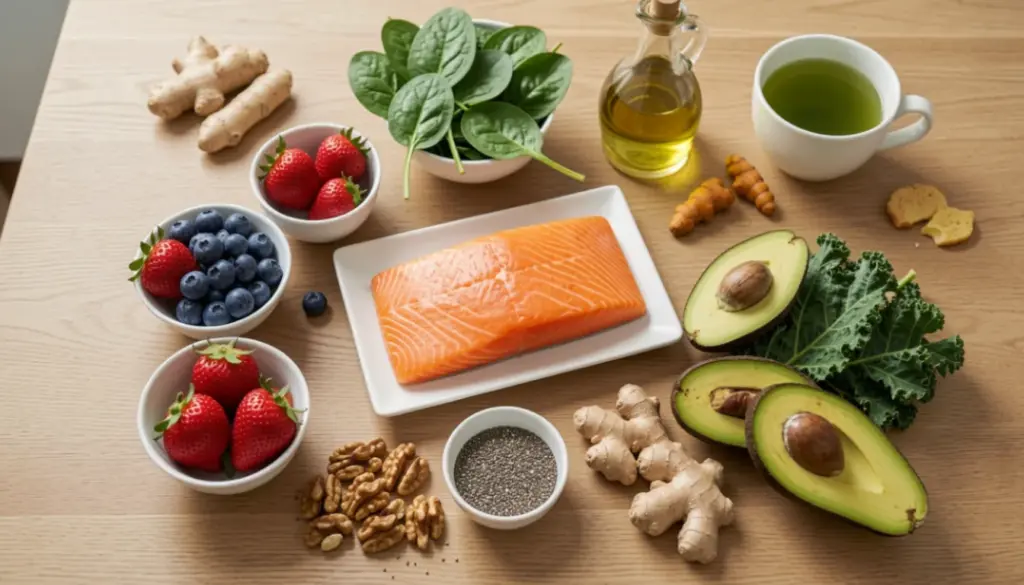
Most people don’t realize that what they eat three times a day is either quietly fueling inflammation in their body or helping to calm it down. There’s no dramatic symptom to notice, no obvious warning sign. Yet over time, a diet high in processed foods, refined sugars, and unhealthy fats can keep the immune system in a persistent state of low-grade alert that contributes to some of the most common chronic diseases.
The good news is that food is one of the most direct tools you have for managing inflammation. This guide breaks down exactly which foods reduce inflammation, which ones trigger it, how to build a simple daily eating plan, and what to put on your grocery list — all explained in a way that’s practical and beginner-friendly.
What Is Inflammation? (And Why It Matters)
Inflammation is your body’s natural defense mechanism. When you cut your finger or catch a cold, the immune system sends white blood cells and healing compounds to the site of damage. This is called acute inflammation — it’s short-term, targeted, and essential for survival.
Chronic inflammation is different. It develops slowly, often without an obvious cause, and can persist for months or years. Instead of protecting you, it starts working against your own tissues and organs. Unlike acute inflammation, it often produces no sharp pain or visible swelling, which makes it easy to ignore until the damage has accumulated.
Research consistently links chronic inflammation to serious long-term health conditions, including heart disease, type 2 diabetes, arthritis, certain cancers, and neurodegenerative diseases like Alzheimer’s. One of the key markers doctors use to detect it is C-reactive protein (CRP) — a substance the liver produces in response to inflammation. Elevated CRP levels in the bloodstream are a reliable signal that something in the body is chronically activated.
Diet is one of the most significant factors that either drives up or brings down this kind of systemic inflammation.
How Diet Affects Inflammation
Every meal sends signals to your immune system. Certain foods trigger the release of pro-inflammatory compounds — cytokines and other immune messengers that keep the body in a heightened state. Other foods introduce antioxidants, omega-3 fatty acids, and phytonutrients that actively suppress those signals.
Processed foods and refined carbohydrates, for example, cause rapid spikes in blood sugar, which promotes insulin resistance and increases inflammatory markers. Trans fats found in fried and packaged foods directly disrupt cell membrane function and irritate blood vessel walls. On the other hand, fatty fish, leafy greens, and extra virgin olive oil introduce compounds that reduce oxidative stress and support a balanced immune response.
The gut microbiome plays a central role in all of this. A healthy, diverse gut microbiome — maintained through fiber-rich whole foods — produces short-chain fatty acids that regulate immune activity and keep inflammation in check. A disrupted gut, often caused by a diet high in ultra-processed foods, can do the opposite.
The Mediterranean diet is one of the most well-studied dietary patterns for reducing chronic inflammation. It emphasizes whole foods, healthy fats, and plant diversity — principles that align closely with what the research consistently shows works.
Top Anti-Inflammatory Foods to Eat Daily
These are the foods that most consistently show anti-inflammatory effects in research. The goal isn’t to eat all of them every day but to make them the regular foundation of your diet.
Berries and citrus fruits — Blueberries, strawberries, raspberries, and oranges are rich in antioxidants called flavonoids and vitamin C. These compounds neutralize free radicals that trigger oxidative stress, one of the root drivers of inflammation. Berries in particular contain anthocyanins, which have shown strong anti-inflammatory activity in multiple studies.
Leafy greens and cruciferous vegetables — Spinach, kale, Swiss chard, broccoli, and Brussels sprouts are loaded with vitamins K and E, folate, and antioxidants. Broccoli is especially notable for sulforaphane, a compound that blocks enzymes linked to inflammation and joint damage.
Fatty fish — Salmon, sardines, mackerel, and anchovies are among the richest dietary sources of omega-3 fatty acids (specifically EPA and DHA). Omega-3s directly reduce the production of inflammatory prostaglandins and cytokines. Most people consume far too much omega-6 relative to omega-3 — a dietary imbalance that itself promotes inflammation — so regularly eating fatty fish helps restore this ratio.
Extra virgin olive oil — The cornerstone fat of the Mediterranean diet, extra virgin olive oil contains oleocanthal, a natural compound with anti-inflammatory properties similar in mechanism to ibuprofen. It also provides monounsaturated fats that support healthy cholesterol levels and cardiovascular health.
Nuts and seeds — Walnuts, almonds, flaxseeds, and chia seeds are excellent sources of healthy fats, magnesium, and plant-based omega-3s. Walnuts in particular have shown consistent results in reducing inflammatory markers in clinical research.
Whole grains — Oats, quinoa, brown rice, and whole wheat provide dietary fiber that feeds beneficial gut bacteria. When gut bacteria ferment fiber, they produce butyrate — a short-chain fatty acid with direct anti-inflammatory effects on the gut lining and beyond.
Turmeric and ginger — Curcumin, the active compound in turmeric, is one of the most studied natural anti-inflammatory agents. It inhibits NF-kB, a molecule that activates genes responsible for inflammation. Ginger contains gingerols and shogaols with similar properties. Both work best when used consistently rather than occasionally.
Legumes — Lentils, chickpeas, black beans, and kidney beans are high in fiber, protein, and polyphenols. They provide sustained energy without blood sugar spikes and actively support gut health.
Green tea — Rich in a catechin called EGCG (epigallocatechin gallate), green tea reduces inflammatory signaling and has protective effects on cardiovascular and metabolic health.
Foods That Cause Inflammation (Limit or Avoid)
Just as some foods reduce inflammation, others are among its most consistent dietary triggers.
Refined sugar and added sugars — Sugar-sweetened beverages, candy, pastries, and sweetened cereals cause rapid blood glucose spikes that stimulate the release of pro-inflammatory cytokines. High sugar intake is also linked to fatty liver disease, insulin resistance, and weight gain — all of which worsen systemic inflammation.
Refined carbohydrates — White bread, white rice, regular pasta, and most packaged crackers behave similarly to sugar in the body. They’re digested quickly, spike blood glucose, and provide little of the fiber that supports gut health and reduces inflammatory activity.
Trans fats — Found in partially hydrogenated vegetable oils, many margarines, and some commercially fried foods, trans fats are directly harmful to blood vessel health and increase LDL cholesterol while lowering HDL. Most countries have restricted or banned them, but they can still appear in processed snack products.
Processed and ultra-processed foods — Packaged snacks, fast food, frozen meals, and processed deli meats typically contain a combination of refined carbs, unhealthy fats, excess sodium, and food additives — all of which contribute to chronic low-grade inflammation over time.
Excess alcohol — Moderate alcohol consumption has a mixed picture in the research, but heavy or regular drinking disrupts gut barrier function, damages the liver, and promotes systemic inflammation.
Processed meats — Hot dogs, bacon, sausages, and cured meats contain nitrates, saturated fats, and preservatives that have been associated with elevated inflammatory markers and increased cancer risk.
A note on dairy and gluten: these are often mischaracterized as universally inflammatory. For most people without lactose intolerance or celiac disease, they are not significant inflammation drivers. Whole dairy and fermented options like yogurt can even support gut health. If you suspect a sensitivity, an elimination approach with professional guidance is more useful than blanket avoidance.
Simple Anti-Inflammatory Meal Plan (Beginner-Friendly)
Sample 1-Day Meal Plan
Breakfast: Oatmeal topped with blueberries, ground flaxseed, and a drizzle of raw honey. Green tea or black coffee on the side.
Morning snack: A small handful of walnuts and an orange.
Lunch: Grilled salmon on a bed of mixed greens with avocado, cherry tomatoes, cucumber, and an olive oil and lemon dressing.
Afternoon snack: Hummus with sliced vegetables (carrots, cucumber, or bell peppers).
Dinner: Stir-fried broccoli, spinach, and chickpeas with turmeric, garlic, and ginger over brown rice.
Evening: Chamomile or ginger tea.
Weekly Meal Planning Tips
Building an anti-inflammatory eating pattern doesn’t require cooking elaborate meals every day. A few simple principles make it sustainable. Aim to include a serving of fatty fish at least two to three times per week. Fill half your plate with vegetables at most meals. Choose whole-grain versions of any grain-based staple you already eat. Use olive oil as your default cooking fat. Keep a bag of frozen berries in the freezer — they’re just as nutritious as fresh and far easier to use daily.
Meal prepping on weekends — cooking a batch of grains, roasting vegetables, and preparing a protein — makes it easy to assemble anti-inflammatory meals quickly during the week.
Anti-Inflammatory Grocery List
Use this as a starting framework and adjust based on your preferences and budget.
Produce: Blueberries, strawberries, oranges, spinach, kale, broccoli, Brussels sprouts, sweet potatoes, beets, garlic, ginger, avocado, tomatoes, bell peppers, carrots.
Proteins: Salmon (fresh or canned), sardines, eggs, chicken breast, lentils, chickpeas, black beans.
Healthy fats and oils: Extra virgin olive oil, walnuts, almonds, chia seeds, flaxseeds.
Whole grains: Rolled oats, quinoa, brown rice, whole grain bread.
Pantry staples: Turmeric, black pepper (enhances turmeric absorption), green tea, canned tomatoes, low-sodium vegetable broth, and apple cider vinegar.
Dairy and alternatives: Plain Greek yogurt, unsweetened almond or oat milk.
Canned and frozen options — canned salmon, frozen spinach, frozen berries — are nutritionally comparable to fresh and significantly more budget-friendly.
Easy Food Swaps to Reduce Inflammation
You don’t need to overhaul your entire diet to start reducing inflammation. Simple daily substitutions add up quickly.
Replace white bread with whole grain or sourdough. Swap sugary breakfast cereals for oatmeal with fresh fruit. Trade soda and sweetened drinks for water, sparkling water, green tea, or herbal tea. Choose grilled or baked proteins over fried. Use olive oil instead of butter or vegetable oil in cooking. Snack on nuts, seeds, or fresh fruit instead of chips or crackers. Season food with turmeric, garlic, and ginger instead of relying heavily on salt.
None of these changes requires special equipment, a large grocery budget, or cooking expertise. They’re simple redirects toward nutrient-dense whole foods.
Lifestyle Habits That Support an Anti-Inflammatory Diet
Diet is the most direct tool for managing inflammation, but it works best alongside a few consistent lifestyle practices.
Sleep is profoundly linked to inflammatory control. Poor or insufficient sleep — less than seven hours consistently — increases CRP and other inflammatory markers. Prioritizing sleep quality is one of the most impactful things you can do for long-term health.
Regular physical activity reduces systemic inflammation, improves insulin sensitivity, and supports gut health. Moderate, consistent exercise — walking, cycling, swimming, or strength training several times per week — has far more anti-inflammatory benefits than intense bursts of activity followed by long periods of inactivity.
Stress management matters too. Chronic psychological stress activates the same inflammatory pathways as a poor diet. Practices like meditation, regular outdoor time, or even consistent social connection have measurable effects on inflammatory markers.
FAQs
Can diet really reduce chronic inflammation?
Yes, research consistently shows that dietary patterns high in whole foods, antioxidants, and omega-3 fatty acids reduce inflammatory markers like CRP. It’s not a quick fix, but sustained dietary changes produce meaningful results over weeks to months.
How long does it take to reduce inflammation with diet?
Studies suggest that noticeable reductions in inflammatory markers can occur within four to eight weeks of consistently eating an anti-inflammatory diet. Individual results vary depending on starting diet quality, lifestyle factors, and existing health conditions.
Is coffee anti-inflammatory?
Yes, for most people. Coffee contains chlorogenic acids and other polyphenols with anti-inflammatory properties. Several large studies have linked regular coffee consumption to lower levels of inflammatory markers. The issue arises when coffee is consumed with large amounts of sugar or sweetened creamers.
What are the best anti-inflammatory snacks?
Walnuts, almonds, fresh berries, apple slices with almond butter, plain Greek yogurt with fruit, edamame, or vegetables with hummus are all practical and genuinely supportive options.
Can an anti-inflammatory diet help with joint pain?
It can. Omega-3 fatty acids and antioxidants from foods like fatty fish, berries, and leafy greens have been shown in clinical research to reduce joint inflammation markers and alleviate symptoms in conditions like rheumatoid arthritis and osteoarthritis. Diet alone is rarely sufficient for managing joint conditions, but it is a meaningful part of a comprehensive approach.
Do I need to avoid all sugar?
No. Naturally occurring sugars in whole fruits come packaged with fiber, vitamins, and antioxidants that offset their effect on blood glucose. The primary concern is added sugars in processed foods and beverages, which provide calories without nutritional benefit and actively promote inflammation.
What is a simple starting point for an anti-inflammatory diet?
Start with two changes: replace your most frequently consumed processed food or beverage with a whole food alternative, and add one serving of fatty fish and one serving of leafy greens per week. Build from there rather than attempting a complete transformation overnight.