

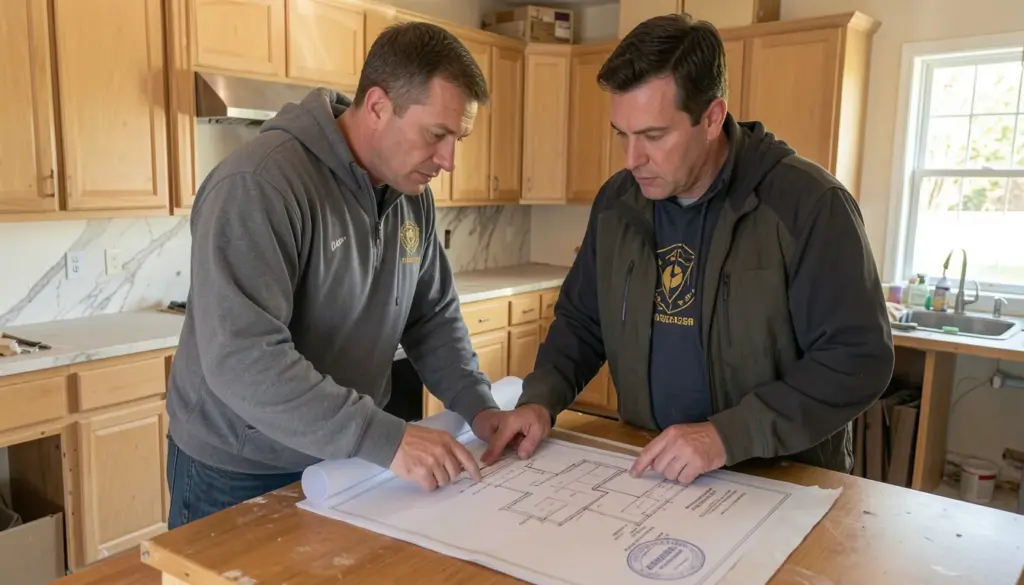
Planning a home renovation can be exciting, but many homeowners overlook a critical step: obtaining the proper permits. Whether you’re remodeling your kitchen, adding a new room, or updating electrical systems, understanding permit requirements can save you from costly fines, legal troubles, and complications when selling your property.
This guide explains what home improvement permits are, when they’re required, and how to navigate the application process. You’ll learn which projects need approval, how to avoid common mistakes, and what happens if you proceed without proper authorization.
What Are Home Improvement Permits?
A home improvement permit is official approval from your local building authority to proceed with construction or renovation work. These permits ensure that planned changes meet building codes, zoning laws, and safety standards established by your municipality.
Building codes exist to protect homeowners, future buyers, and neighborhoods. They cover structural integrity, fire safety, electrical systems, plumbing, and other critical aspects of construction. When you obtain a permit, you’re essentially getting your local government’s confirmation that your project complies with these regulations.
The permit process typically includes submitting plans, paying fees, and scheduling inspections at various stages of construction. Once work is complete and passes final inspection, you receive approval that the project meets all code requirements.
Why Permits Matter for Home Renovations
Building permits serve several important purposes beyond simple bureaucracy. They protect your safety by ensuring construction meets established standards. Electrical work, structural changes, and plumbing modifications can create serious hazards if done incorrectly.
Permits also protect your property value. Work completed without proper authorization can create significant problems when you sell your home. Buyers may request that unpermitted work be brought up to code, or they might walk away from the purchase entirely. Appraisers and home inspectors routinely check for permits during real estate transactions.
Insurance coverage represents another critical consideration. If unpermitted work causes damage or injury, your homeowner’s insurance might deny claims. This leaves you personally liable for repairs, medical costs, or legal expenses that could have been covered.
Property tax assessments can also be affected. Major improvements increase your home’s value, which may raise property taxes. Obtaining permits ensures proper documentation of these changes.
What Projects Require a Permit?
Most significant construction and renovation work requires permits. Understanding which projects need approval helps you plan properly and avoid violations.
Structural changes almost always require permits. This includes removing or modifying load-bearing walls, adding new rooms or floors, building decks, constructing garages, and installing new foundations. Any work that affects your home’s structural integrity needs professional review and approval.
Electrical work typically requires permits for projects beyond simple repairs. Installing new circuits, upgrading your electrical panel, adding outlets in new locations, or rewiring portions of your home all need permits. Licensed electricians usually handle permit applications for electrical projects.
Plumbing permits cover significant changes to your water or waste systems. Moving or adding bathrooms, installing new water heaters, replacing main water lines, and modifying septic systems all require approval. Minor repairs like fixing a leaky faucet generally don’t need permits.
Home additions and major renovations trigger permit requirements. Building a new bedroom, finishing a basement, converting a garage into living space, or adding a second story all require extensive permitting and inspection approval.
Roof replacements often need permits, particularly if you’re changing the roof structure or materials. Simple repairs might not require authorization, but complete replacements typically do.
HVAC system installations and major modifications usually require permits. Installing central air conditioning, replacing furnaces, or adding ductwork all need approval to ensure proper installation and safety compliance.
What Projects Usually Don’t Require a Permit
Many minor improvements and cosmetic changes don’t require permits, though rules vary by location. Understanding these exceptions helps you avoid unnecessary applications.
Cosmetic updates like painting, installing flooring, replacing cabinets, or updating countertops typically don’t need permits. These changes don’t affect structural elements, electrical systems, or plumbing.
Minor repairs and maintenance work generally fall outside permit requirements. Fixing a broken window, replacing a damaged shingle, patching drywall, or repairing a fence usually doesn’t need approval.
Landscaping projects often don’t require permits unless they involve significant grading, retaining walls over certain heights, or work near property lines. Simple garden beds, planting trees, or installing small decorative features typically proceed without permits.
Small storage sheds below specific size thresholds might not need permits in many jurisdictions. However, size limits vary significantly, so always check local regulations before building any structure.
Appliance replacements typically don’t require permits if you’re replacing like with like. Swapping an old dishwasher for a new one usually doesn’t need approval, though moving its location might.
How to Know If You Need a Permit
Determining whether your project requires a permit involves several considerations. Start by asking these questions:
Does the work involve structural changes? Any modification to load-bearing elements requires permits.
Will you modify electrical or plumbing systems? Moving, adding, or significantly changing these systems triggers permit requirements.
Are you changing your home’s footprint? Additions, new structures, or square footage changes need approval.
Does the work affect safety systems? Fire safety, egress windows, and building envelope modifications require permits.
When in doubt, contact your local building department or planning office. These municipal guidelines vary significantly between locations. Staff can clarify requirements for your specific project and jurisdiction.
Licensed contractors often handle permit applications as part of their services. However, verify that your contractor actually obtains necessary permits rather than skipping this step. Homeowners remain ultimately responsible for code compliance regardless of who performs the work.
How to Apply for a Home Improvement Permit
The permit application process follows a generally similar pattern across most jurisdictions, though specific requirements vary.
First, prepare detailed plans and documentation. Most municipalities require drawings showing existing conditions and proposed changes. Complex projects may need professional architect or engineer plans. Include specifications for materials, dimensions, and construction methods.
Next, complete the permit application form from your local building department. Applications request property information, project descriptions, estimated costs, and contractor details. Some jurisdictions now offer online applications to streamline this process.
Submit your application along with the required documentation and fees. Processing times vary from a few days to several weeks, depending on project complexity and department workload. Simple repairs might receive quick approval, while major renovations require more extensive review.
The building authority reviews your plans for code compliance. They may request revisions or additional information before approving. Address these requests promptly to avoid delays.
Once approved, you receive your permit. Post this document visibly at your construction site as required by most jurisdictions. The permit authorizes work to begin.
Schedule inspections at required stages. Most projects need multiple inspections covering foundations, framing, electrical, plumbing, and completion. Each inspection must pass before proceeding to the next phase.
Keep your permit documentation. Final inspection approval and permit close-out paperwork become important records for property value and future sales.
Cost of Home Improvement Permits
Permit costs vary widely based on project scope, location, and property value. Understanding typical fee structures helps you budget appropriately.
Most municipalities calculate permit fees based on project valuation. You might pay a percentage of estimated construction costs, typically ranging from 0.5% to 2%. A $20,000 kitchen remodel might incur $200 to $400 in permit fees.
Some jurisdictions charge flat fees for specific project types. Electrical permits might cost $50 to $200, while major structural work could require $500 or more.
Additional fees may apply for plan review, multiple inspections, or expedited processing. Commercial projects typically cost more than residential permits.
Factors affecting permit costs include project complexity, property location, square footage changes, and whether work requires engineering review. Urban areas often charge higher fees than rural locations.
Consider permits an investment rather than an expense. The cost represents a small fraction of total project expenses while protecting you from much larger potential problems.
What Happens If You Skip a Permit
Proceeding without required permits creates serious risks and consequences that far outweigh the time and cost of proper authorization.
Code enforcement can issue stop-work orders requiring immediate construction cessation. You cannot continue until obtaining proper permits and addressing violations. This delays projects and increases costs.
Fines and penalties for unpermitted work range from hundreds to thousands of dollars, depending on violation severity and local regulations. Repeat violations incur higher penalties.
Forced removal represents a worst-case scenario. Authorities can require you to demolish completed work that doesn’t meet code requirements or cannot pass inspection. This means paying for construction twice—once to build and again to remove and rebuild properly.
Resale complications frequently arise from unpermitted work. Buyers may discover issues during inspection and demand permits or price reductions. Some purchase agreements fall through entirely when significant unpermitted work surfaces. You might need to obtain retroactive permits before selling, which costs more than original permits and may require removing walls to allow inspection.
Insurance claim denials leave you financially exposed. If unpermitted electrical work causes a fire or faulty plumbing leads to water damage, insurers may refuse coverage. You bear full responsibility for repairs and liability.
Property tax implications can surface years later. When unpermitted improvements are discovered, tax authorities may assess back taxes plus penalties for the period since work completion.
Who Is Responsible for Getting the Permit?
Understanding responsibility for permit acquisition prevents misunderstandings and ensures compliance.
Legally, property owners bear ultimate responsibility for obtaining required permits. Even when hiring contractors, you remain accountable for code compliance and proper authorization.
Licensed contractors typically handle permit applications as part of their services. This makes sense because they understand code requirements and have established relationships with building departments. Verify that contracts explicitly state that the contractor will obtain necessary permits.
Homeowners performing their own work must obtain permits directly. Many jurisdictions allow homeowners to pull permits for their primary residence, though some restrict permits for specialized work like electrical or plumbing to licensed professionals.
Best practices include verifying permit status in writing. Request copies of all permits and inspection records. Never accept a contractor’s word that permits aren’t necessary—verify independently with your building department.
Watch for red flags indicating contractors may skip permits. Unusually low bids, resistance to pulling permits, or claims that permits are unnecessary for projects clearly requiring them suggest potential problems.
Tips for Navigating Local Permit Requirements
Successfully managing permit requirements becomes easier with proper planning and research.
Start by researching local building codes early in your planning process. Visit your municipal building department website or office. Many jurisdictions provide detailed guides explaining permit requirements and application procedures.
Develop relationships with building department staff. They can answer questions, clarify requirements, and guide you through the process. Approaching them as helpful resources rather than obstacles improves outcomes.
Budget adequate time for the permit process. Don’t schedule contractors to begin work until receiving permit approval. Build several weeks into your timeline for application review and potential revisions.
Work with experienced, licensed professionals. Qualified contractors, architects, and engineers understand local requirements and can navigate the process efficiently. Their expertise often prevents costly mistakes and delays.
Keep detailed records throughout your project. Document all permits, inspection results, communications with building departments, and final approvals. These records protect your investment and facilitate future property transactions.
Consider permit requirements when planning DIY projects. Some work legally requires licensed professionals in many jurisdictions. Attempting complex electrical or plumbing work yourself might violate code, regardless of your skill level.
Communicate clearly with neighbors about your project. Major renovations can impact adjacent properties. Addressing concerns proactively prevents complaints to code enforcement that might trigger additional scrutiny.
FAQs
Do I need a permit for home renovations?
Whether you need a permit depends on the renovation scope. Structural changes, electrical or plumbing work, additions, and major system upgrades typically require permits. Cosmetic updates like painting or cabinet installation usually don’t. Check with your local building authority for specific requirements.
What types of home improvements require permits?
Structural modifications, electrical and plumbing changes, room additions, deck construction, roof replacements, HVAC installations, and finishing previously unfinished spaces typically require permits. The key factor is whether work affects structural integrity, safety systems, or building footprint.
How do I apply for a building permit?
Contact your local building department to obtain application forms and requirement lists. Prepare detailed plans showing existing conditions and proposed changes. Submit your application with the required documentation and fees. Wait for plan review approval, then schedule required inspections throughout construction.
How much does a home improvement permit cost?
Permit fees vary by location and project scope, typically ranging from $50 for simple work to several hundred dollars for major renovations. Many municipalities calculate fees based on project valuation, charging 0.5% to 2% of estimated construction costs.
What happens if I renovate without a permit?
Unpermitted work can result in stop-work orders, fines ranging from hundreds to thousands of dollars, forced removal of completed work, insurance claim denials, and serious complications when selling your property. Retroactive permits cost more than obtaining authorization upfront.
Do I need a permit for a home addition?
Yes, home additions almost always require permits. Adding square footage affects your home’s structural load, requires proper foundation work, and involves electrical and plumbing extensions. Building departments need to verify that additions meet all building codes and zoning requirements.
Are permits required for electrical or plumbing work?
Most electrical and plumbing work beyond simple repairs requires permits. Installing new circuits, upgrading panels, adding fixtures in new locations, moving plumbing lines, and replacing water heaters all need permits and inspection approval from licensed professionals.
How long does it take to get a permit approved?
Processing times vary from a few days to several weeks depending on project complexity and building department workload. Simple repairs might receive approval within days, while complex renovations requiring detailed plan review can take several weeks. Plan accordingly when scheduling construction.
Can I sell a house with unpermitted work?
You can list a house with unpermitted work, but it creates significant problems. Buyers may demand corrections, price reductions, or walk away entirely. Disclosure laws in many states require revealing unpermitted work. Obtaining retroactive permits before listing often proves necessary.
Who is responsible for getting permits—homeowner or contractor?
Homeowners bear ultimate legal responsibility for obtaining required permits. However, licensed contractors typically handle applications as part of their services. Verify in writing that your contractor will obtain necessary permits and maintain copies of all permit documentation.
Do minor repairs require permits?
Minor repairs like fixing leaky faucets, patching drywall, replacing broken windows, or repairing damaged shingles typically don’t require permits. Work that maintains existing conditions without modifying systems or structure generally falls outside permit requirements, though local regulations vary.
Where do I check local permit requirements?
Visit your municipal building department or planning office website for specific permit requirements. Most jurisdictions provide detailed guides and requirement lists. You can also call or visit the office directly to speak with staff who can clarify requirements for your specific project.