

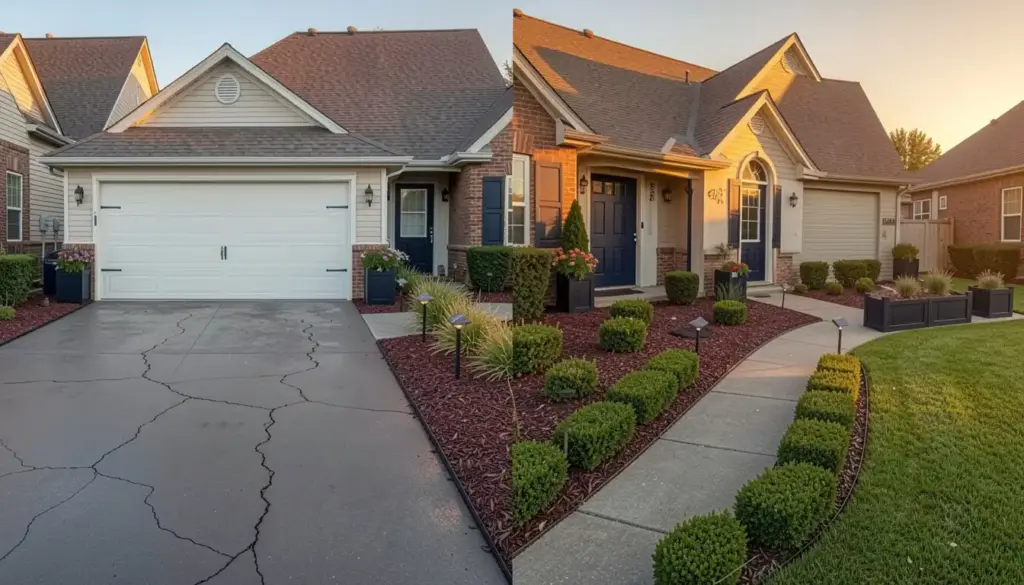
Your home’s exterior is the first thing anyone sees — and for most homeowners, it’s also the last thing to get attention. Paint peels, paths crack, and front yards stay flat and forgettable for years, not because the work is too hard, but because it’s hard to know where to start.
This guide fixes that. You’ll find outdoor home improvement projects ranked by effort, cost, and impact — so whether you have a free Saturday morning or a two-week renovation window, you’ll know exactly what to do first. Every section includes practical starting steps, realistic cost expectations, and honest advice on what you can handle yourself versus what’s worth hiring out.
How to Choose the Right Outdoor Home Improvement Project
Before buying anything or picking up a shovel, it helps to think through three questions: What’s your budget? How much time do you have? And are you comfortable doing this yourself?
These three factors — cost, time, and skill requirement — determine which projects make sense right now. A homeowner with $150 and a free weekend can transform a front yard entrance with fresh mulch, garden edging, and a coat of paint on the front door. That same homeowner probably shouldn’t attempt a full deck build without more planning, budget, and possibly professional support.
A simple way to approach this: sort projects into three tiers.
- Low ($0–$200): Cleaning, painting, minor planting, edging, lighting
- Medium ($200–$1,000): Patio upgrades, larger landscaping, fencing sections
- High ($1,000+): Deck construction, driveway resurfacing, full irrigation systems
Start at the tier that matches your current budget and comfort level. You can always work up from there.
Quick Wins: Low-Cost Outdoor Upgrades with High Impact
Some of the most effective outdoor improvements cost almost nothing — and take less than a day. These are the projects to start with because they produce visible before-and-after results quickly, which makes planning the next stage easier.
Pressure washing is one of the best single-afternoon investments you can make. Driveways, walkways, siding, and wooden fences accumulate grime that makes a home look older than it is. A pressure wash can strip years of buildup in a few hours. Rentals typically cost $50–$80 per day, and the results are immediate.
Exterior lighting is another high-return upgrade. Solar-powered path lights, a new porch fixture, or small spotlights along a walkway improve both appearance and safety. A set of six solar path lights costs $25–$60 and can be installed in under an hour — no wiring required.
Front door refresh carries more visual weight than most people expect. A freshly painted door in a strong color — deep navy, matte black, forest green — draws attention and frames the entrance. Add new hardware (handle, knocker, house numbers) for under $50, and the change is significant.
Garden edging is a beginner-friendly project that creates clean visual lines between lawn and beds. Steel or plastic edging costs $20–$60 for a standard front yard, and the process takes a few hours with basic hand tools.
Curb Appeal Ideas That Instantly Transform Your Home
Curb appeal is the overall visual impression your home makes from the street. It’s shaped by a combination of surfaces, colors, details, and plant life working together — or not.
Exterior paint and finishes have the highest visual impact of any single upgrade short of a full renovation. If a full repaint isn’t in the budget, focus on trim, shutters, and the front door. Fresh trim paint can change how the entire facade reads without touching the main body of the house.
Entryway styling is about creating a welcoming focal point. Two matching planters with seasonal greenery, a new doormat, and a clean porch surface signal that the home is well cared for. This entire setup can cost under $100 and takes an afternoon to complete.
Driveway improvements vary widely in scope. At the low end, crack filler and driveway sealer ($30–$60) clean up surface damage and prevent further weathering. A full resurface or replacement is a high-cost project, but for most homes, regular maintenance keeps it looking solid for years.
Small details matter more than you’d expect. A rusted mailbox, cracked house numbers, or a sagging porch railing all register subconsciously. Replacing these individually costs $10–$40 per item, and together they create a much sharper exterior impression.
Front Yard Landscaping on a Budget (Beginner-Friendly)
Front yard landscaping is one of the most searched outdoor improvement topics — and for good reason. A well-planted, well-maintained front yard changes how a home looks and feels more than almost any other project. The good news is that it’s also one of the most accessible for beginners.
Choosing Low-Maintenance Plants
The biggest mistake beginner landscapers make is choosing plants based on appearance alone, without considering how much care they require or whether they suit the local climate. Low-maintenance landscaping starts with the right plant selection.
Look for native plants and drought-tolerant species suited to your region. These are adapted to local soil conditions and rainfall patterns, which means less watering, less fertilizing, and far fewer problems. Ornamental grasses, lavender, black-eyed Susans, and ornamental shrubs like spirea are popular, forgiving, and widely available at garden centers.
DIY Landscaping Layout Basics
Before buying plants, sketch a rough layout on paper. Note where the sun falls across your yard at different times of day, because sun exposure is a primary factor in plant survival. Group plants by water needs and light requirements.
A simple, effective front yard layout follows the “thriller, filler, spiller” principle: one taller focal plant (thriller), medium-volume plants to fill space (filler), and low ground-cover plants that soften edges (spiller). This creates visual depth without requiring design experience.
Budget Materials: Mulch, Gravel, and Stone
Mulch is one of the most cost-effective materials in front-yard landscaping. A 2–3 inch layer of shredded bark or wood mulch covers bare soil, retains moisture, reduces weeds, and gives beds a clean, finished look. A cubic yard of bulk mulch (enough for a medium-sized bed) costs $30–$60 at landscape supply stores — significantly cheaper than bagged mulch from a garden center.
Gravel and decorative stone work well in low-water zones, along pathways, and in modern exterior styles. They’re more durable than organic mulch and require minimal maintenance beyond occasional raking.
Deck Building Guide for Beginners
A deck is one of the most valuable outdoor additions a homeowner can make — both for daily use and for resale value. It’s also one of the more involved projects on this list, so it’s worth understanding what you’re committing to before you start.
Types of Decks: Wood vs Composite
The two primary materials are pressure-treated wood and composite decking. Pressure-treated lumber is cheaper upfront — typically $15–$25 per square foot for a basic build — but requires regular maintenance: staining or sealing every 2–3 years to prevent weathering, cracking, and rot.
Composite decking costs more initially ($30–$60 per square foot installed), but it’s made from a blend of wood fiber and plastic that resists moisture, fading, and insects. Long-term maintenance is minimal, which often makes it a better investment over a 15–20 year timeframe.
Basic Planning and Layout
Start with your local building department. Most jurisdictions require a permit for deck construction, and the permit process will clarify setback requirements (how far the deck must sit from property lines) and structural specifications. Skipping permits is a common mistake that creates problems at resale.
Once permits are understood, plan your deck around how you intend to use it. A dining area needs more square footage than a small reading nook. Consider traffic flow between the door, the deck, and the yard. Decide early whether you want built-in seating, railings, or steps to grade level.
Cost Expectations
A basic 12×16-foot wood deck professionally built typically costs $6,000–$10,000. A similarly sized composite deck runs $10,000–$18,000 or more, depending on material quality and regional labor costs. DIY builds cut labor costs significantly — labor often accounts for 40–60% of total project cost — but requires proper tools, time, and willingness to learn.
DIY vs Hiring Professionals
A deck build is manageable as a DIY project for someone with intermediate construction skills, the right tools, and patience to follow building codes carefully. If you’ve never worked with structural lumber, post footings, or concrete, a first deck build has a steep learning curve.
A practical middle option: hire a contractor to handle the foundation and frame (the structural elements most critical for safety), then finish the decking surface yourself. This reduces risk while keeping labor costs reasonable.
Backyard Improvements for Functional Outdoor Living
A backyard doesn’t need to be large to be useful. The most practical improvements focus on creating defined spaces that serve a purpose — dining, relaxing, playing, or gardening.
Patios and seating areas are the foundation of functional outdoor living. A simple paver patio can be installed by a determined DIYer over a weekend using a compacted gravel base and interlocking pavers. Materials for a 10×12-foot patio typically cost $200–$500, depending on paver style. The result is a permanent, weather-resistant surface that anchors an outdoor seating arrangement.
Shade solutions extend the usability of outdoor spaces significantly, especially in warmer climates. A freestanding shade sail or pergola can be installed for $100–$400 and provides relief during peak sun hours. For a more permanent solution, a professionally installed pergola with a solid canopy runs $2,000–$6,000 and adds architectural interest to the space.
Outdoor furniture basics — a table, a few durable chairs, and weather-resistant cushions — complete the setup. Look for furniture made from teak, powder-coated aluminum, or all-weather synthetic wicker. These materials hold up to moisture and UV exposure far better than standard indoor furniture moved outside.
Cost vs Value: Which Outdoor Projects Are Worth It?
Not every outdoor upgrade returns its investment at resale. Knowing which projects deliver real value — and which are primarily for personal enjoyment — helps you prioritize effectively.
According to remodeling cost-value studies, projects with the strongest return on investment in outdoor spaces include manufactured stone veneer (often returning over 90% of cost), wood deck additions (roughly 65–75%), and garage door replacements. Landscaping improvements are consistently linked to increased property values, with well-maintained landscaping adding an estimated 5–15% to home value depending on the market.
Projects like high-end outdoor kitchens and large swimming pools have a lower average ROI — often 40–60% — because their value is highly personal and market-dependent. In some regions, a pool is a selling point; in others, it’s seen as a maintenance burden.
For homeowners planning to sell within a few years, focus on curb appeal improvements and a deck or patio if you don’t already have one. For long-term owners, prioritize what improves your daily quality of life — and let the value question be secondary.
DIY vs Professional: When to Do It Yourself (and When Not To)
The cost difference between DIY and professional work is real — but so is the risk of doing complex projects without sufficient skill or tools.
Good candidates for DIY: Pressure washing, painting (exterior trim and doors), garden edging, mulching, installing solar lighting, assembling pre-built outdoor furniture, planting shrubs and flowers, patio paver installation (with proper research).
Better left to professionals: Deck structural work (footings, posts, beams), electrical wiring for outdoor fixtures, gas line connections for outdoor cooking setups, retaining walls over 3 feet high, irrigation system installation.
The deciding factors are safety, structural integrity, and reversibility. If a mistake creates a safety hazard or causes damage that’s expensive to fix, the labor cost savings aren’t worth it. If a mistake is cosmetic and easy to correct, the DIY risk is much lower.
How to Plan Your Outdoor Home Improvement Step-by-Step
Having a list of ideas is different from having a plan. This framework helps you move from inspiration to action without wasting money or time.
Step 1 — Walk your property and assess. Take photos of the front yard, back yard, driveway, and exterior from multiple angles. Note what looks worn, incomplete, or out of place. This gives you a baseline to work from.
Step 2 — Sort by impact and urgency. Identify anything that affects first impressions immediately (paint, front yard, entryway) and separate it from longer-term projects (deck, full landscaping). Start with the high-visibility, lower-cost items first.
Step 3 — Set a realistic budget. Decide how much you’re prepared to spend in total and per project. Factor in material costs, any tool purchases or rentals, and a 10–15% buffer for unexpected expenses.
Step 4 — Sequence projects logically. If you’re planning both landscaping and a new patio, install the patio first — otherwise you’ll disturb the planted beds. Sequence matters more than most beginners expect.
Step 5 — Build a simple checklist. Break each project into specific tasks (buy materials, prepare ground, install, finish, clean up) and work through it in order. A written checklist keeps you on track and makes it easy to pick up where you left off.
FAQs
What are the easiest outdoor home improvement projects for beginners?
Pressure washing, repainting the front door, installing solar path lights, and refreshing garden beds with mulch and edging are all excellent starting points. They require minimal tools, cost under $200 total, and produce visible results quickly.
How can I improve curb appeal without spending much money?
Start with cleaning (pressure washing costs $50–$80 to rent equipment), add fresh mulch to front beds ($30–$60), repaint the front door ($20–$40 in paint), and replace worn house numbers or a mailbox ($15–$40). Combined, these changes can completely change how the home looks from the street.
Is building a deck worth it for home value?
Generally yes. Wood deck additions typically return 65–75% of their cost at resale, and they significantly improve a home’s usability and appeal to buyers. The return varies by market, but a well-built deck is rarely a liability.
What is the cheapest way to landscape a front yard?
Focus on three elements: edge the existing beds cleanly, add 2–3 inches of bulk mulch, and plant a few low-maintenance native shrubs or flowering perennials. This approach can cover an average front yard for $100–$200 in materials and requires only a few hours of work.
Can I do landscaping myself without prior experience?
Yes. Front yard landscaping is one of the most beginner-accessible outdoor projects available. Start small — one or two beds, a clear layout, and easy-care plants — and expand as your confidence grows. The most important skill is research: understanding what grows well in your climate and soil type.
How long do outdoor home improvement projects typically take?
Quick-win projects (cleaning, painting, path lights) take a single afternoon. Landscaping a front yard takes a weekend. A DIY patio takes a weekend to several days, depending on size. A full deck build typically takes two to four weeks for a competent DIYer working on weekends.
What outdoor upgrades give the best return on investment?
Curb appeal improvements, basic landscaping, deck additions, and stone or masonry facade upgrades consistently perform well at resale. Major additions like pools and outdoor kitchens have lower and more variable ROI depending on location and buyer preferences.